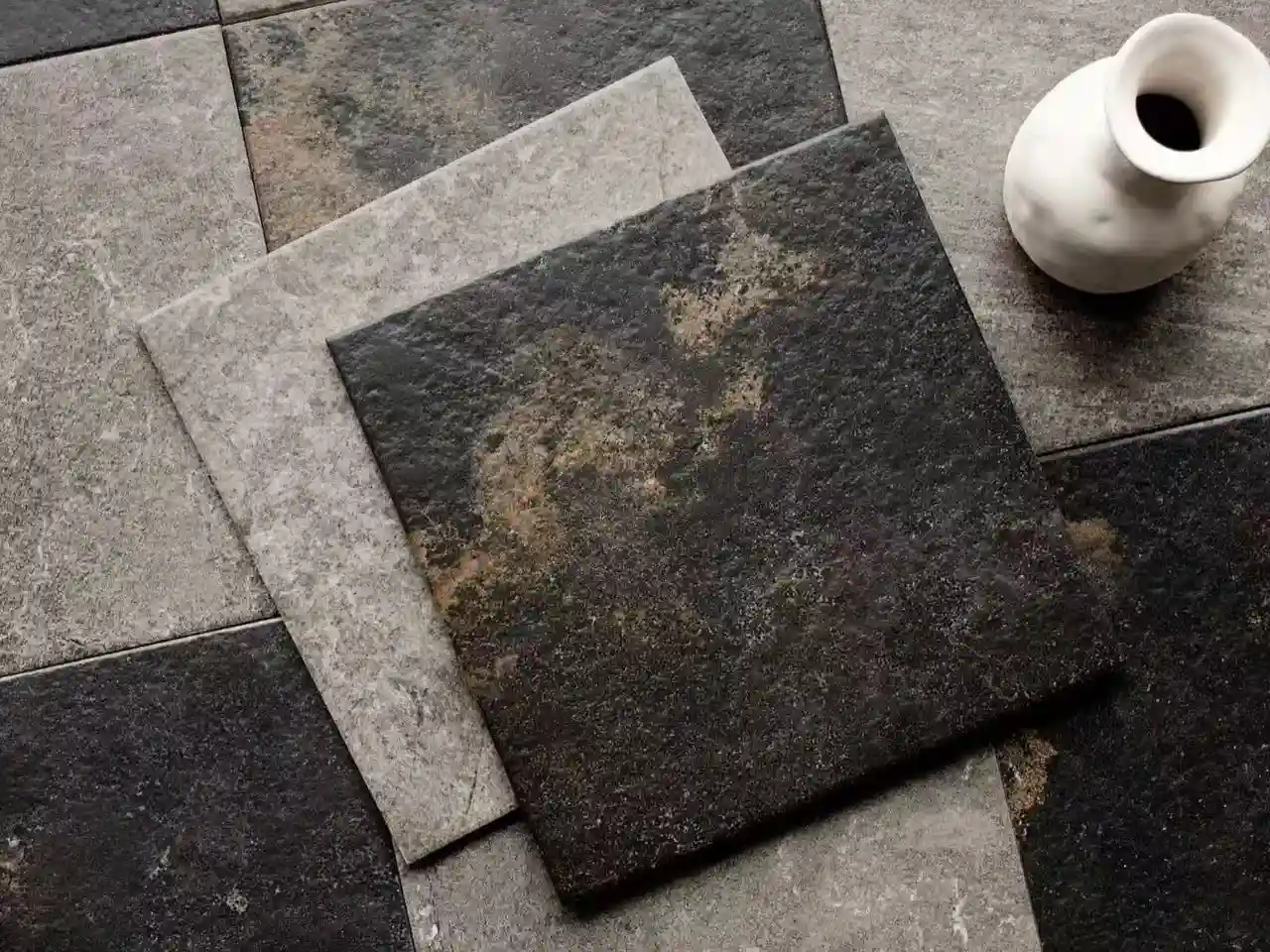
Rustic tiles1 – also known as antique-style or vintage-look tiles – are ceramic or porcelain tiles designed to evoke a weathered, old-world charm. In recent years, China has become a leading source of high-quality rustic tiles, combining traditional aesthetics with modern manufacturing. For wholesale buyers, understanding rustic tiles is key to making informed purchasing decisions.
This comprehensive guide will cover what rustic tiles are, their characteristics (especially those made in China), pros and cons, comparisons with other tile types, design ideas (like rustic bathroom applications), maintenance tips2, and reasons to source from Chinese manufacturers. We’ll also highlight OEM & ODM solutions from Kingsun – a prominent Chinese tile producer – and finish with an FAQ section addressing common questions.
What Is a Rustic Tile?
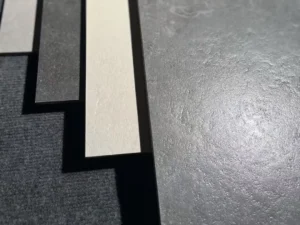
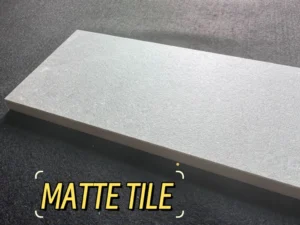
A rustic tile is a porcelain or ceramic tile that intentionally features a vintage, weathered, or handcrafted appearance. Unlike glossy polished tiles with uniform surfaces, rustic tiles embrace variation in color, texture, and finish to mimic the look of natural, aged materials. They often have a matte or textured surface with distressed or irregular details, giving them a classic “old-world” feel.
Rustic tiles draw inspiration from nature and antiquity – for example, they can resemble:
- Weathered stone
- Reclaimed wood planks
- Aged terracotta or brick
- Hand-painted encaustic patterns
Rustic tiles typically come in earthy, natural tones. The color palette is often derived from nature, including warm shades of deep red, brown, tan, muted yellow, gray, green, and dusty blue. These tones contribute to the cozy, organic vibe that rustic design is known for.
Many rustic tiles also feature deliberate imperfections such as subtle surface unevenness, slight color variation from piece to piece, or gently worn edges. These “imperfections” add character and depth, making the tiles feel more authentic and inviting.
Despite their antique appearance, modern rustic tiles are high-performance products. Most on the market today are produced using advanced digital printing and glazing technology to recreate the rustic look, rather than being genuinely reclaimed from old buildings. This means buyers can achieve the aesthetic of century-old stone or wood with the practical benefits of contemporary tile – such as durability, water resistance, and ease of maintenance.
In summary, a rustic tile merges the timeless appeal of aged materials with the convenience and strength of modern ceramics. Whether used on floors or walls, it creates a warm, textured, and inviting atmosphere that’s prized in styles like farmhouse, Mediterranean, industrial, or rustic-chic design.
Characteristics of China Rustic Tile
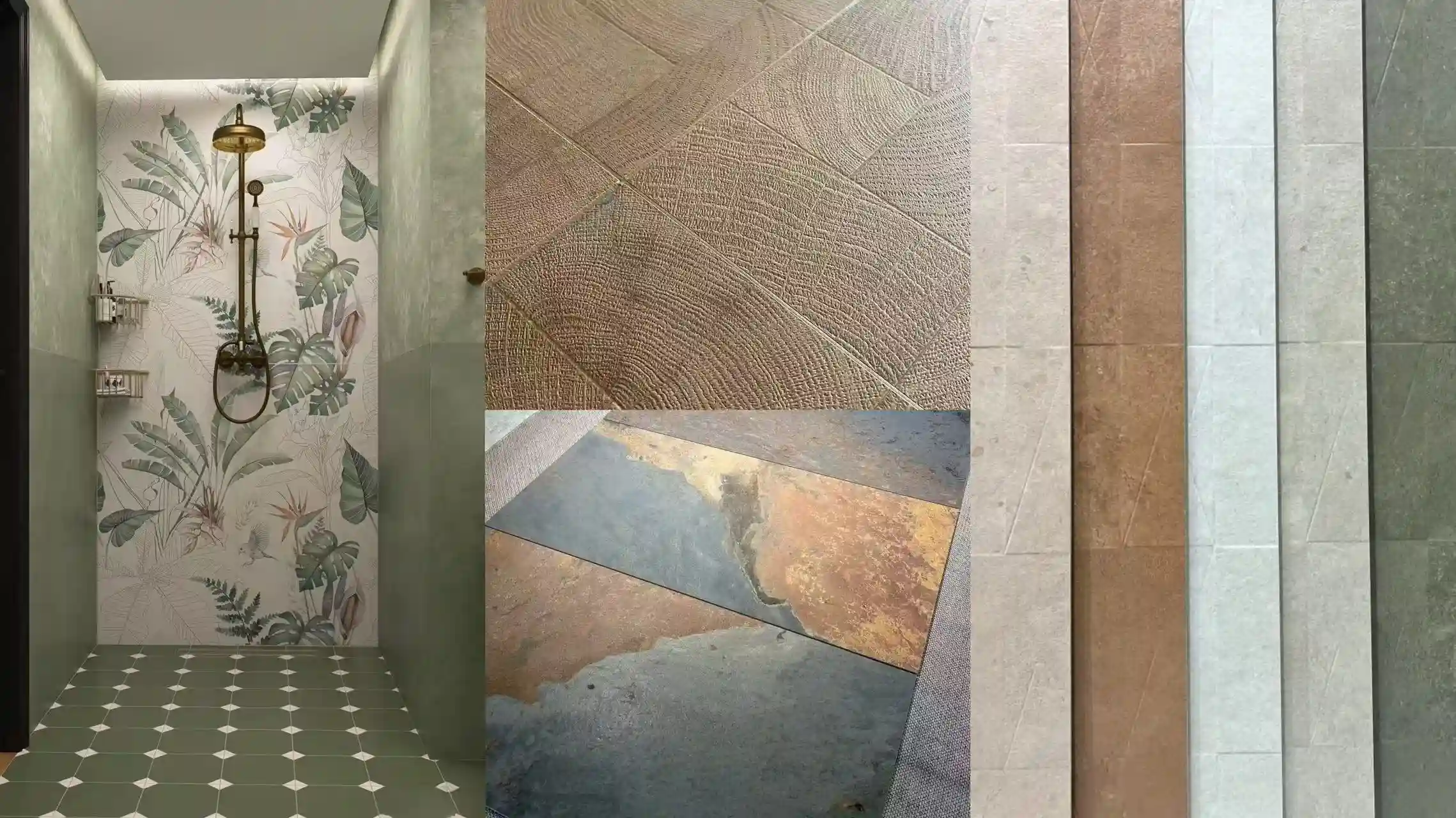
China’s tile manufacturers have become experts at producing high-quality rustic tiles, using cutting-edge techniques to ensure both authenticity in appearance and excellence in performance. Key characteristics of China-made rustic tiles include:
1) Authentic Textures
Advanced digital inkjet printing and 3D surface treatments are used to create extremely realistic textures. Chinese factories excel at syncing printed visuals with embossed surface relief, making the tile look and feel like real wood grain, stone clefts, or concrete pits.
2) Rich Color Variation
Rustic tiles from China often have deliberate shade and pattern variations between pieces. Manufacturers use high-definition inkjet glazing with many unique “faces” per style, so each tile in a batch has subtle differences. This controlled variation avoids repetitive patterns and creates a more natural, one-of-a-kind look.
3) Size and Format Diversity
Chinese suppliers offer rustic tiles in many sizes and shapes, including:
- Small squares (e.g., 100×100 mm, 150×150 mm)
- Planks (e.g., 150×900 mm wood-look strips)
- Large-format panels (e.g., 600×1200 mm) and up to 1600×3200 mm
- Coordinating mosaics, trim borders, and stair treads
This variety supports both detailed installations (backsplashes, patterns) and expansive floor areas (large slabs).
4) Modern Technical Performance
Most are porcelain or porcelain-bodied tiles fired at high temperatures (often >1200°C), with very low water absorption (≤0.5% per typical porcelain standards). This makes them highly resistant to moisture, stains, and frost damage, and suitable for heavy foot traffic. Many can be used indoors or outdoors, including freeze-thaw climates.
5) Variety of Finishes
Common surface finishes include:
- Matte (natural, non-reflective)
- Lappato / semi-matte (soft sheen)
- Textured / structured (raised or carved patterns)
- Specialty glazes (satin, anti-slip granules, “soft polish”)
Some collections provide multiple slip-resistance options depending on usage (general floors vs wet areas).
Summary: China’s rustic tiles blend realistic aesthetics (printing + texture + color variation) with durable construction (low absorption, high strength), contributing to their global popularity.
Advantages and Disadvantages of Rustic Tiles
Advantages
1)Warm, Characterful Aesthetic
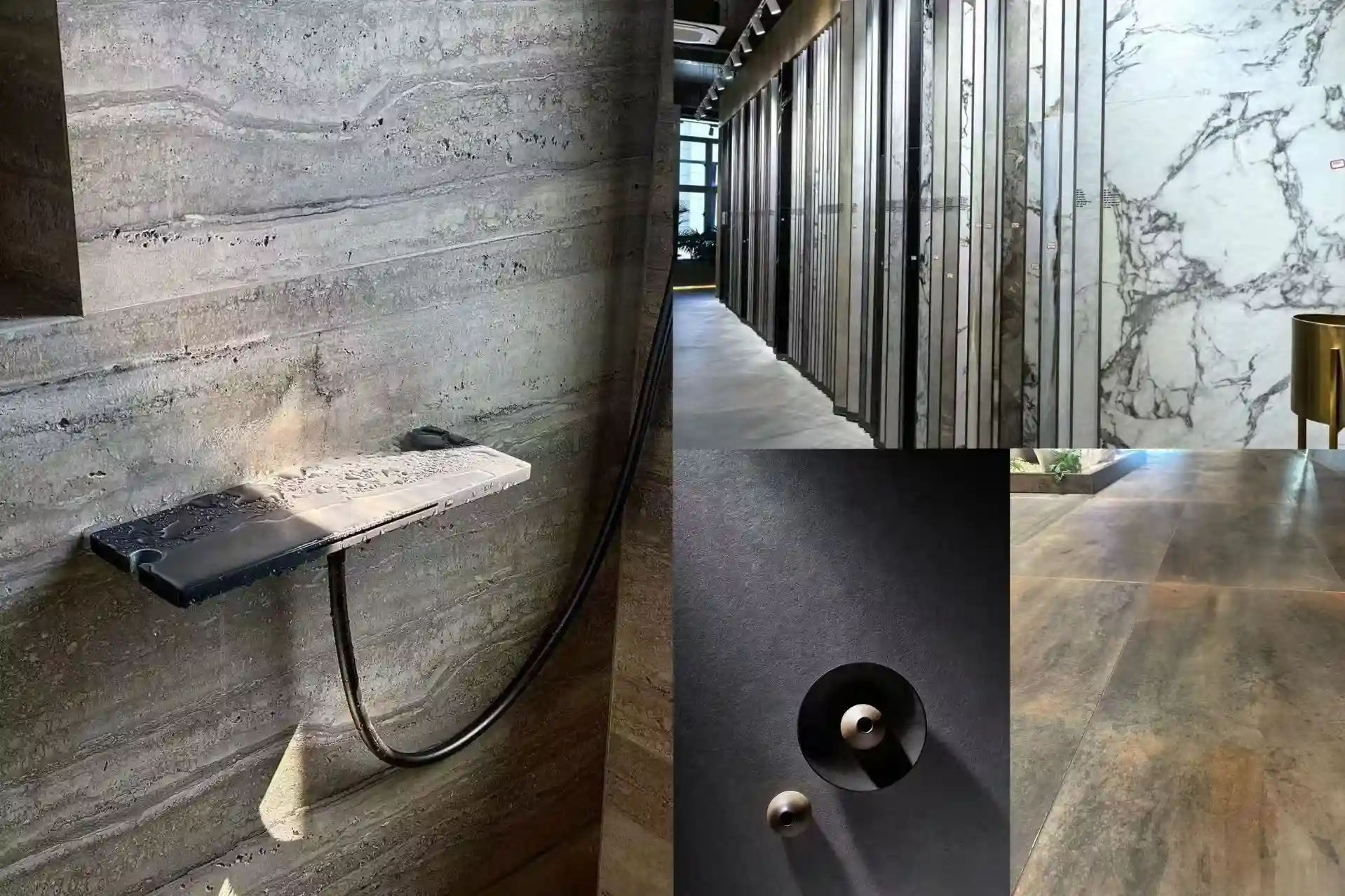
Rustic tiles add warmth, character, and a sense of history. Their varied tones and textures create a cozy, lived-in ambiance that’s hard to replicate with ultra-smooth modern tiles.
2)Hides Dirt and Imperfections
Color variation, mottled patterns, and textured surfaces help mask minor dirt, stains, or wear. Dust and smudges are less obvious than on uniform glossy surfaces.
3)Better Slip Resistance
Matte or lightly textured finishes typically provide better traction underfoot, reducing slip risk in wet areas like bathrooms, kitchens, entryways, or pool surrounds. Always confirm slip ratings for specific applications.
4)Durability and Longevity
Especially when porcelain, rustic tiles are highly durable, resistant to scratches, dents, and cracking, and can last decades when properly installed.
5)Versatile Design Applications
Rustic tiles suit many interior styles beyond “rustic,” including modern minimalist, industrial chic, and Mediterranean. They work on floors and walls, indoors and outdoors (product specs permitting).
Disadvantages
1)Cleaning and Maintenance Effort
Textured and matte surfaces can require more effort to deep clean, since dirt can settle into crevices. Routine cleaning is easy, but occasional scrubbing may be needed.
2)Grout Line Considerations
Some rustic looks use wider grout joints, increasing grout exposure. Grout can attract dirt and may require sealing and more frequent maintenance.
3)Not Everyone’s Taste
Rustic looks can feel “busy” or “aged” to people who prefer sleek, uniform, ultra-modern finishes. Market fit matters.
What Is the Difference Between Polished and Rustic Tiles?
Polished Tile
Polished tiles (often polished porcelain) have a high-gloss, reflective surface. They create a sleek, modern look and can make spaces feel brighter and larger due to reflection. However, they can be slippery when wet and show dirt, water spots, and scratches more readily.
Rustic Tile
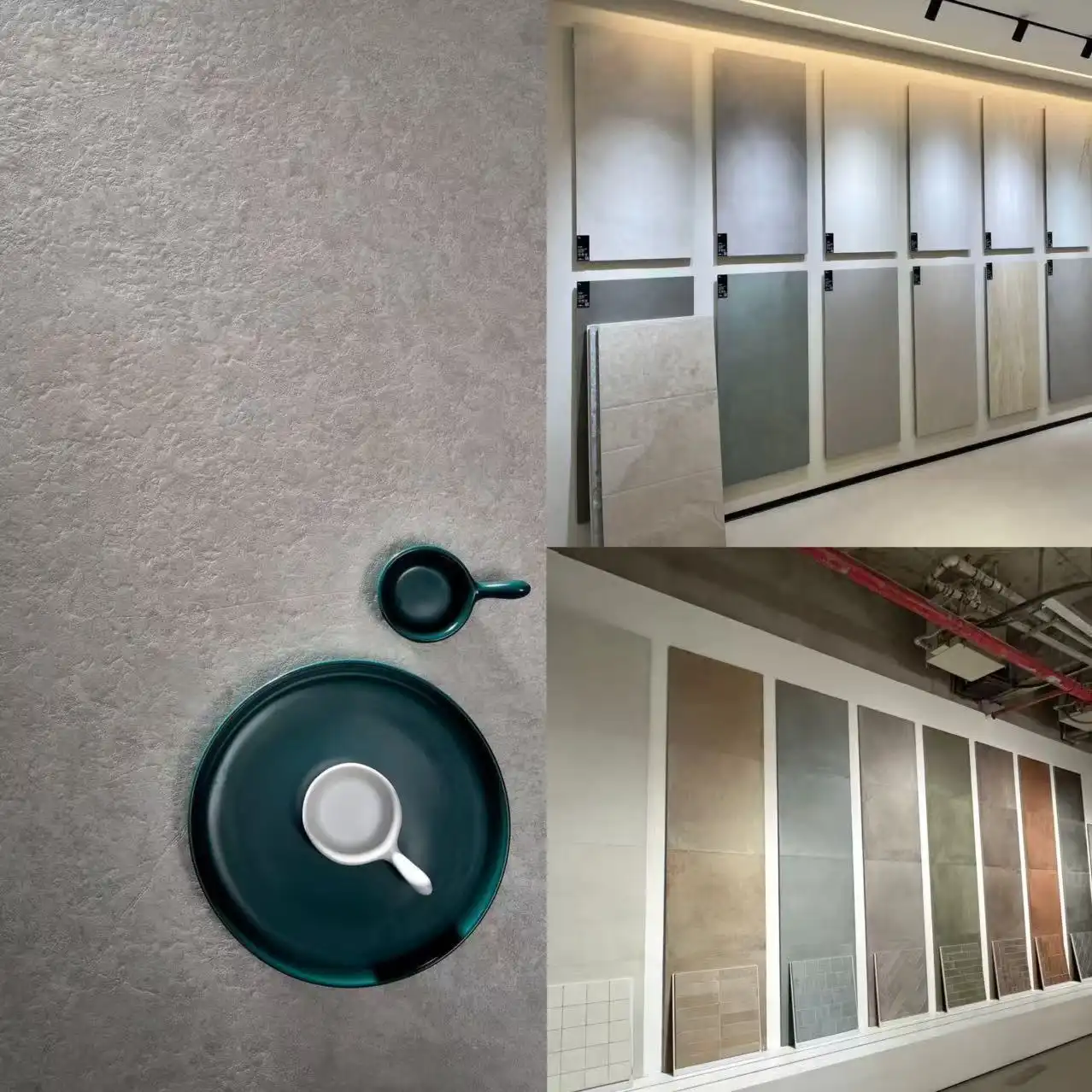
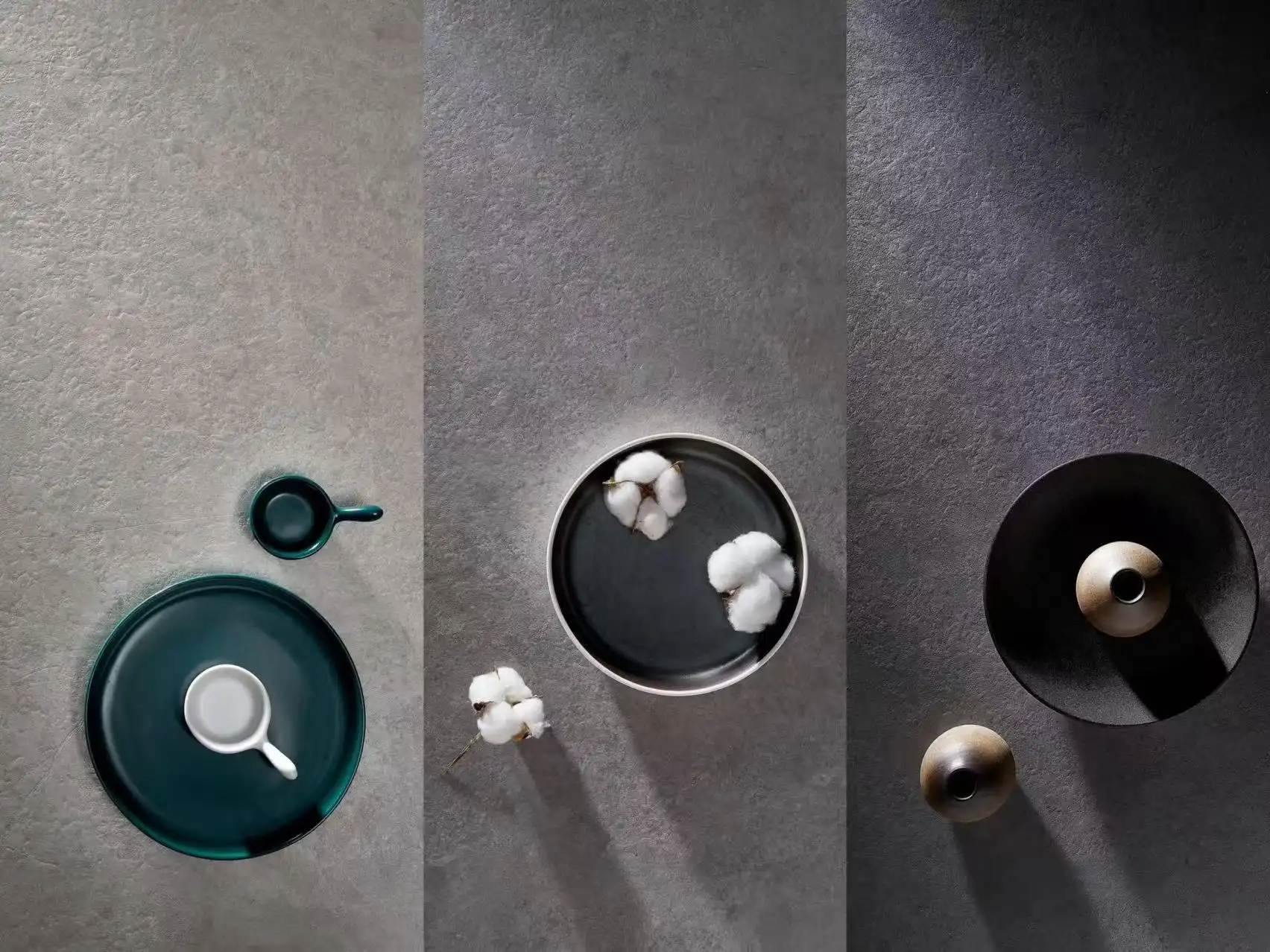
Rustic tiles have a matte or textured finish with low reflectivity and an intentionally aged look (stone/wood/cement). They generally provide better slip resistance3 and hide everyday dirt and wear more effectively. The trade-off is they may not “open up” a space with light reflection and may require more effort to deep clean.
Key takeaway: Polished = shine and modern elegance; Rustic = texture, warmth, and slip-safe practicality.
Rustic Porcelain Tile vs Ceramic Rustic Tile
Rustic Porcelain Tile
Porcelain is fired at higher temperatures and is denser and more water-resistant. Porcelain tiles generally have ≤0.5% water absorption, making them ideal for:
- Heavy-traffic floors
- Bathrooms and kitchens
- Outdoor use and freeze-thaw climates (product-rated)
They tend to be more durable and often cost more, but performance benefits are substantial.
Rustic Ceramic Tile (Glazed Earthenware)
Non-porcelain ceramic tiles often have higher water absorption (commonly ~3% to 10%, depending on the product). They are typically best for:
- Walls
- Light-to-moderate traffic indoor floors
- Projects needing lower cost
They are generally not suitable for freeze-prone outdoor use. They’re easier to cut and often more budget-friendly.
Wholesale positioning:
- Porcelain rustic = premium, high-performance, broad use-cases
- Ceramic rustic = cost-effective, indoor-focused, decorative emphasis

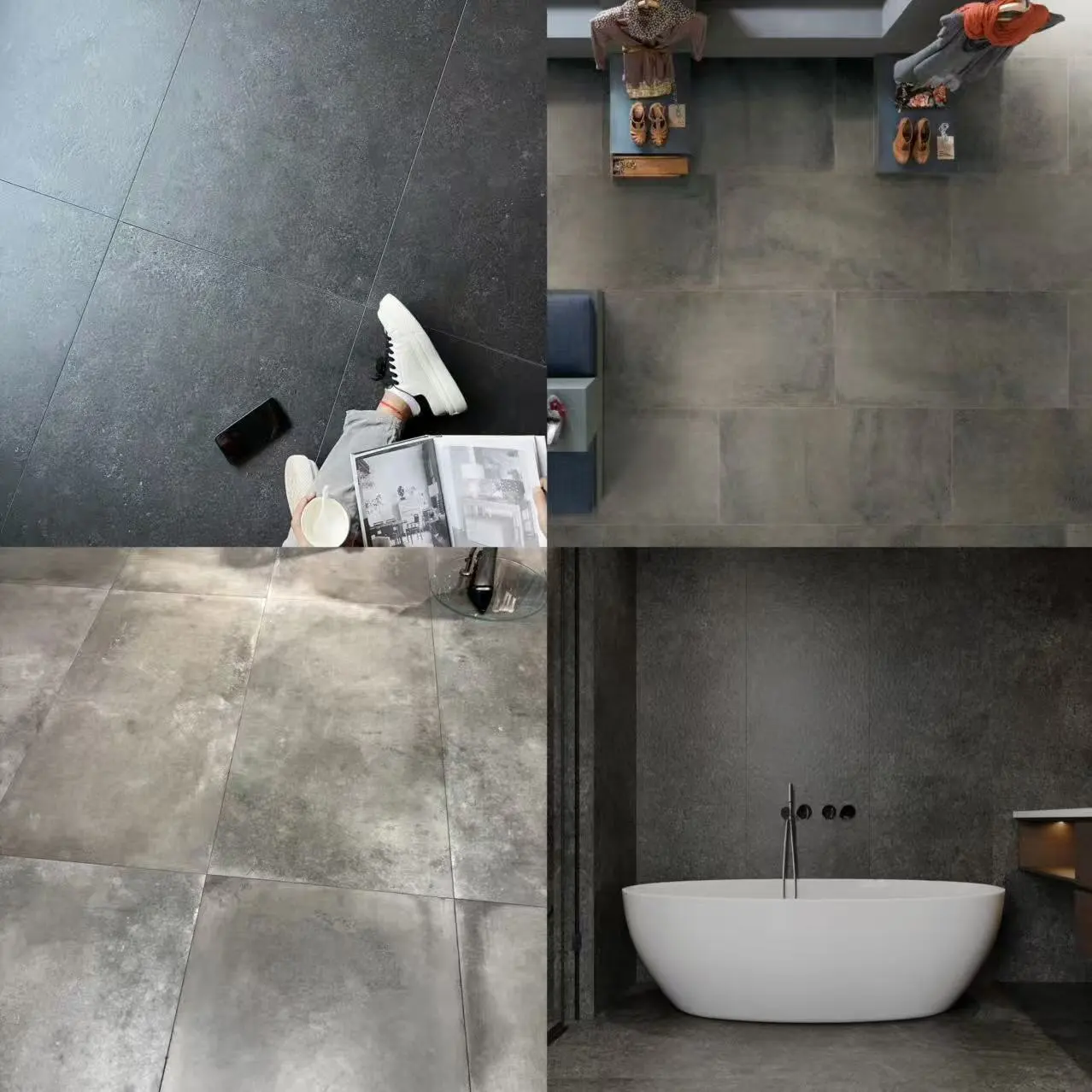
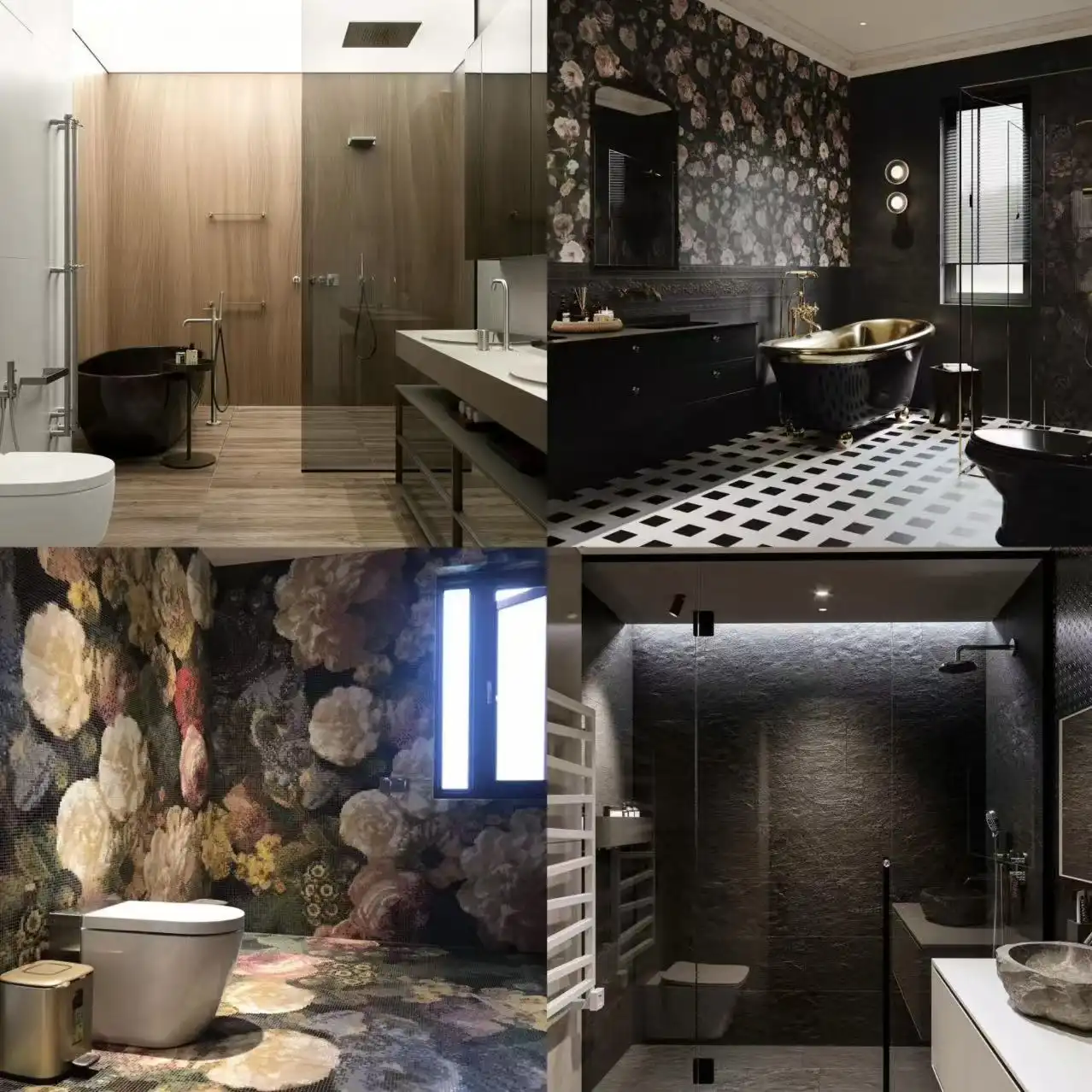
Rustic Bathroom Floor Tile Ideas
Rustic tiles are popular in bathrooms for the warmth and natural beauty they bring. Here are trending ideas:
1) Wood-Look Plank Tiles for a Spa Ambiance
Porcelain wood-look planks offer the rustic charm of wood without moisture issues. Use plank layouts or herringbone patterns. Pair with nature-inspired elements (pebble shower floors, wood vanities) for a spa-like retreat.
2) Stone-Effect Tiles for Natural Elegance
Slate-, travertine-, or limestone-look porcelain tiles bring timeless, natural grounding. Larger formats can reduce grout lines and mimic stone slabs. Combine with pebble accents or stone strips for a “tranquil oasis” vibe.
3) Cement/Concrete-Effect Tiles for an Industrial Rustic Look
Matte gray concrete-look porcelain tiles work well for modern rustic or rustic-industrial bathrooms. Pair with wood vanities, black metal fixtures, and warm lighting for contrast and depth.
4) Encaustic-Pattern Rustic Tiles as Accents
Vintage-inspired patterned tiles can create a focal “rug” effect on floors or be used in smaller bathrooms for big impact. Keep surrounding surfaces simple so patterns don’t overwhelm the space.
5) Mosaic and Pebble Tiles for the Shower Floor
Small mosaics or pebble-style sheets provide excellent slip resistance and add organic texture. They suit shower pans and help define zones. Note: more grout lines means more grout maintenance.
How to Clean Rustic Tiles Properly?
1) Daily/Regular Cleaning – Remove Loose Dirt
Sweep or vacuum regularly to remove grit, dust, and debris. Use a soft-bristle broom or a vacuum suitable for hard floors.
2) Mopping with a Neutral Cleaner
Use warm water and a pH-neutral cleaner designed for tile/stone. Avoid harsh acidic or alkaline cleaners. Microfiber mops help reach textured surfaces. Rinse to prevent soap film.
Avoid:
- Waxing tiles
- Abrasive scrub pads or steel wool
- Strong acids (e.g., vinegar/lemon/muriatic acid)
- Strong alkalines (e.g., bleach/ammonia), unless manufacturer-approved
3) Grout Care – Gentle Scrubbing and Sealing
Scrub grout with a soft brush periodically. Seal grout (especially in wet or stain-prone areas) to repel moisture and dirt. Reapply sealer every 1–2 years (follow product guidance).
4) Handling Spills and Stains
Wipe spills promptly. For stubborn residues (grease, soap scum), use manufacturer-recommended tile cleaners. Test on an inconspicuous area first. Steam cleaning can help with deep cleaning without chemicals.
5) Things to Avoid (Summary)
- Abrasives
- Acid-based cleaners
- Colored agents that may dye grout
- Wax/oil-based cleaners that leave residue
- Flooding floors with standing water for long periods
Why Choose China Rustic Tile Manufacturers?
1) Unmatched Cost-Effectiveness
Large-scale production, automation, and efficient operations enable competitive pricing and strong value for money.
2) Strong Manufacturing Capacity & Technology
China is the world’s largest ceramic tile producer, with modern production lines, advanced printing, and strong quality management systems. Many manufacturers meet export standards and certifications.
3) Huge Design Selection and Customization
Chinese manufacturers offer extensive design libraries and are often flexible with OEM/ODM. Buyers can customize size, color tone, surface texture, and packaging, sometimes starting from relatively low minimum order quantities.
4) Reliable Supply Chain and Fast Delivery
Established export ecosystems and logistics networks support stable supply, scalable capacity, and generally efficient lead times.
5) High Degree of Custom Services & Flexibility
Many manufacturers support mixed loads, private label packaging, display materials, and collaborative product development—helpful for wholesalers building differentiated product lines.
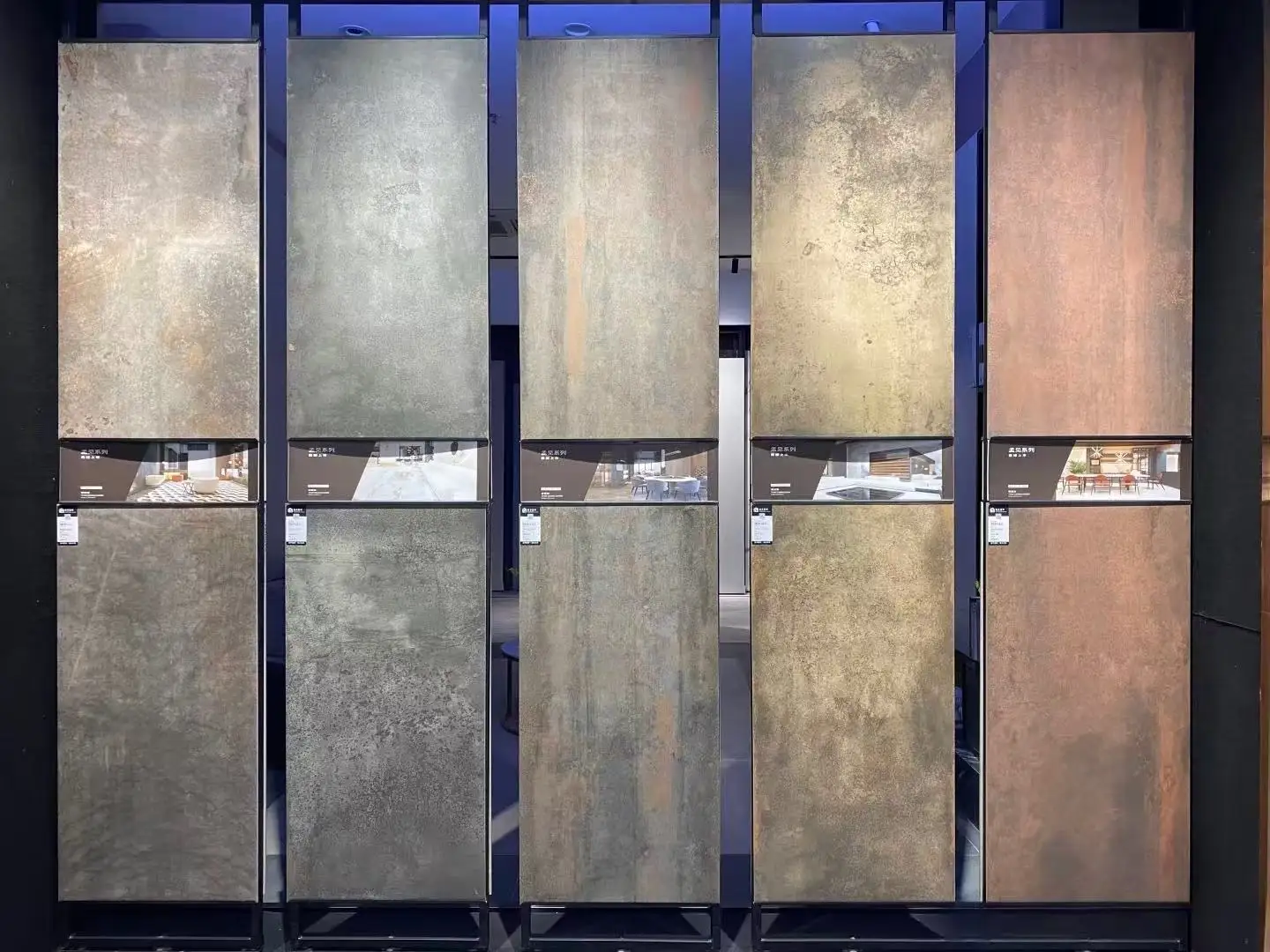
OEM & ODM Rustic Tile Solutions from Kingsun
Kingsun, a ceramic tile producer based in Foshan, provides OEM (Original Equipment Manufacturing) and ODM (Original Design Manufacturing) services for rustic tiles.
Key highlights:
Low Minimum Order Quantity
Custom orders can start at relatively low MOQ (often described as one 20-foot container, depending on product and agreement).
Extensive Design Options and Customization
Large catalogs plus the ability to create or adjust designs, sizes, finishes, and branding on packaging (and in some cases on the tile).
Fast Sampling and Prototyping
Rapid sample development is offered once specs are confirmed, supporting faster decision-making and speed-to-market.
OEM Production – Precision to Your Specs
Kingsun can manufacture to approved samples/specs with modern equipment and quality control processes.
ODM Services – Exclusive Design Creation
In-house teams can develop unique rustic collections tailored to a buyer’s market positioning.
Collaborative Development Process
Step-by-step workflow from concept → sample → approval → mass production, with technical guidance on feasibility and performance.
Quality Assurance and Certifications
Batch testing for dimensions, flatness, water absorption, glaze adhesion, scratch resistance, strength, and color consistency; support for third-party inspections; attention to packaging for low breakage.
Ready to source rustic tiles or develop a custom tile line? Kingsun’s team is ready to assist. We encourage you to reach out for more information or to discuss your specific needs. For inquiries, quotations, or to start an OEM/ODM project, contact Miller at miller@kingsuntile.com. With Kingsun’s expertise and flexible services, you can confidently expand your tile business and deliver outstanding products to your market. Let us help you bring the charm of rustic tiles to your customers – with quality and pricing that keep you a step ahead in the industry.
FAQ
Q: Are rustic tiles slippery?
A: Rustic tiles are generally less slippery than polished tiles due to their matte, textured surfaces which provide better traction. Always verify slip resistance ratings for the exact product and application.
Q: What are the advantages of rustic tiles?
A: They add warmth and character, hide dirt and minor wear, provide better slip resistance, and (especially in porcelain) are durable and long-lasting. They’re also versatile for many design styles.
Q: What is the difference between polished and rustic tiles?
A: Polished tiles are glossy and reflective, giving a sleek modern look but showing dirt more easily and potentially being slippery when wet. Rustic tiles are matte/textured, more natural-looking, more slip-resistant, and better at hiding everyday imperfections.
Q: Where can I use rustic tiles?
A: Kitchens, bathrooms, living rooms, hallways, mudrooms, and other spaces where warmth and traction matter. Many porcelain rustic tiles can also be used outdoors (confirm the tile is rated for outdoor/frost conditions). Rustic tiles can also be used on walls for feature areas and backsplashes.
Q: Do rustic tiles require sealing or special maintenance?
A: Glazed porcelain rustic tiles generally do not need sealing, but grout should be sealed. Use pH-neutral cleaners and avoid harsh acids/abrasives. Unglazed terracotta or natural stone may require sealing.
Q: Will rustic tiles go out of style?
A: Rustic tiles are widely considered timeless due to their natural colors and textures. While trends shift, classic wood- and stone-inspired rustic looks remain consistently popular.
-
Visit our Rustic Matt Tile page for rustic tile specifications—including sizes, thickness, and packing information ↩
-
Get practical maintenance tips to keep your rustic tiles looking beautiful and lasting longer. ↩
-
Understand the importance of slip resistance in tile selection for safety in various environments. ↩