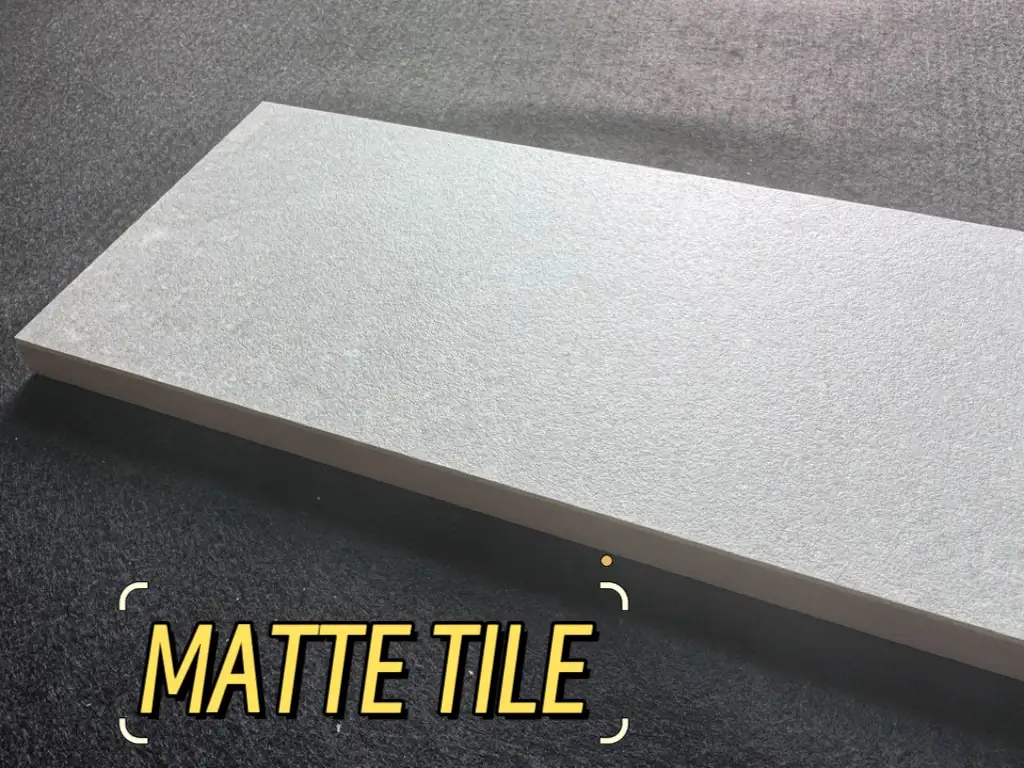
Matte tiles have surged in popularity for both residential and commercial projects due to their subtle, non-reflective finish and practical advantages. Unlike glossy tiles, which have a mirror-like sheen, matte tiles feature a flat, low-luster surface. This finish is achieved by adding a special matte glaze or treatment during manufacturing, giving the tile a more subdued look. A matte tile is characterized by its non-shiny, slightly textured surface, which not only provides a sophisticated, velvety appearance but also tends to be less slippery than high-gloss tiles. In other words, matte tiles absorb and diffuse light instead of reflecting it, resulting in a soft, understated elegance that fits well in many design schemes.
Importantly for B2B buyers and tile distributors, the non-slip nature of matte finishes makes them a safer option for high-traffic areas or spaces exposed to moisture, such as hotel lobbies, restaurants, or bathrooms, where extra traction is beneficial.
What is a matte tile?
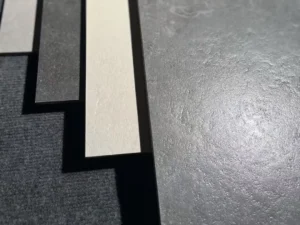
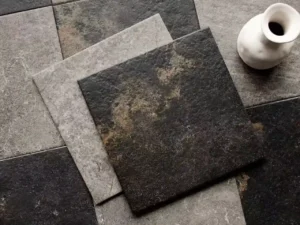
A matte tile refers to any ceramic, porcelain, or stone tile that has a flat (non-glossy) finish. Rather than a polished shine, matte tiles offer a muted surface with very low reflectivity. This is often accomplished by using a matte glaze or by not polishing the tile to a high gloss during production. The result is a tile with a non-shiny, non-slippery surface that feels more natural or rustic to the touch. Many matte tiles also have a slight texture or honed feel, which can enhance grip underfoot.
Because of these properties, matte tiles are extremely versatile: they bring understated elegance to living rooms, bedrooms, and offices, while also being practical choices for kitchen and bathroom floors where a bit of extra traction is desirable. In summary, a matte tile is one that absorbs light instead of reflecting it, providing a calm, glare-free look. This makes spaces feel warm and sophisticated without the shine of a glossy finish. Matte tiles have been traditionally popular for bathroom floors (often paired with glossy wall tiles for contrast), and today advancements in design have made matte finishes available in countless styles, from stone-look and wood-look tiles to modern concrete effects.
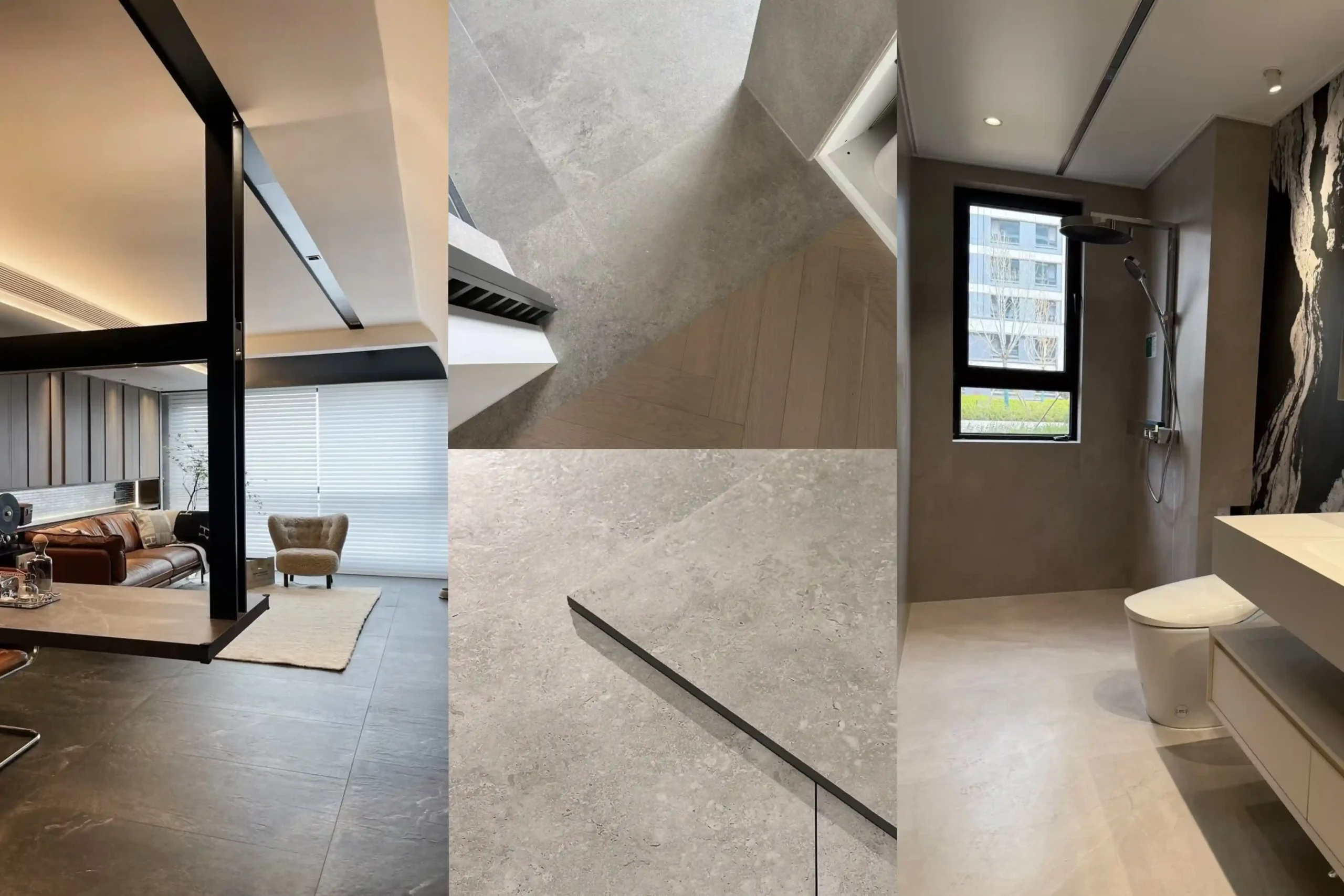
Which is better, matt or glossy tiles?
When deciding between matte vs. glossy tiles, there’s no one-size-fits-all answer—each type has its own advantages that make it “better” depending on the application.
Glossy tiles are known for their shiny, light-reflecting surface that can make a space feel brighter and larger. They are often chosen for walls, backsplashes, and low-traffic areas to create a luxurious, eye-catching look. Glossy finishes also tend to be very smooth, so wiping them clean is easy; a quick wipe can remove most smudges or water spots. However, glossy tiles can be slippery when wet and will show dirt, streaks, and scratches more readily due to the reflective glare.
Matte tiles, in contrast, offer superior slip resistance1slip resistance and a more muted appearance. They diffuse light rather than reflecting it, which means they hide stains, smudges, and dirt much better during day-to-day use. This makes matte finishes especially popular for flooring in high-traffic or wet areas—for example, a matte tile is ideal for a busy restaurant kitchen, a shopping mall entryway, or outdoor patios and pool decks where safety and low-maintenance appearance are priorities. Matte tiles provide a good grip underfoot and reduce glare, creating a safer and more comfortable environment in areas prone to spills or moisture.
Ultimately, the choice between matte and glossy comes down to the project’s needs and aesthetics. Matte tiles excel in functional areas—they provide traction and hide wear, so they’re often best suited in bathrooms, balconies, and other moist spaces or any zone where safety and a natural look are top concerns. Glossy tiles shine in decorative or low-traffic settings—by reflecting light, they can brighten dim rooms and add a sense of spaciousness or luxury.
For many large projects, a mix of both finishes in appropriate areas can offer the “best of both worlds”—for example, using matte tiles on floors (for grip) and glossy tiles on walls (for brightness and easy cleaning). In summary, neither matte nor glossy is inherently better overall; it depends on where and how the tile will be used. Consider foot traffic, moisture exposure2, lighting, and desired style: matte tiles for durability and safety in busy or wet areas, and glossy tiles for visual impact and easy wipe-down in feature areas.
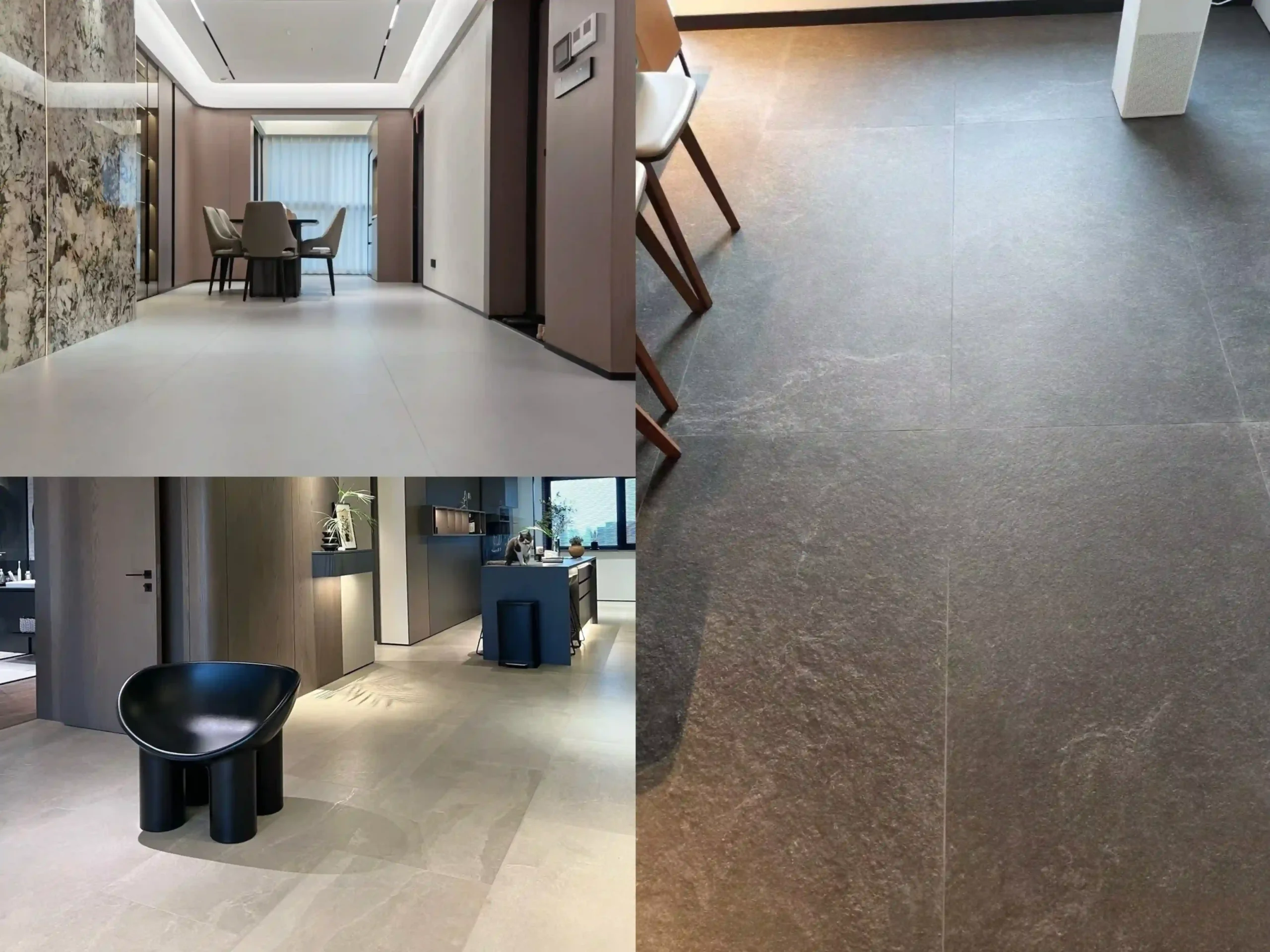
What is the disadvantage of matte tiles?
While matte tiles offer many benefits, there are a few disadvantages of matte finishes to be aware of:
- More effort to clean stubborn stains. The surface of a matte tile is not as smooth as a glossy tile, so sticky or deep stains may require extra scrubbing to fully lift out of a matte tile’s micro-texture.
- Not ideal for dark, low-light rooms. Because matte tiles do not reflect light, they won’t help brighten a dim space and can contribute to a dull ambiance without good lighting.
- Potential moisture-related issues. In very humid or wet environments, matte tiles might hold moisture slightly more than a fully glazed glossy tile (or porous materials might absorb moisture), encouraging mildew or dirt buildup in the texture without proper maintenance and ventilation.
Despite these drawbacks, proper care—appropriate cleaners, routine sweeping/mopping, sealing porous materials, and good lighting/ventilation—can mitigate most issues.
Is matte good for bathrooms?
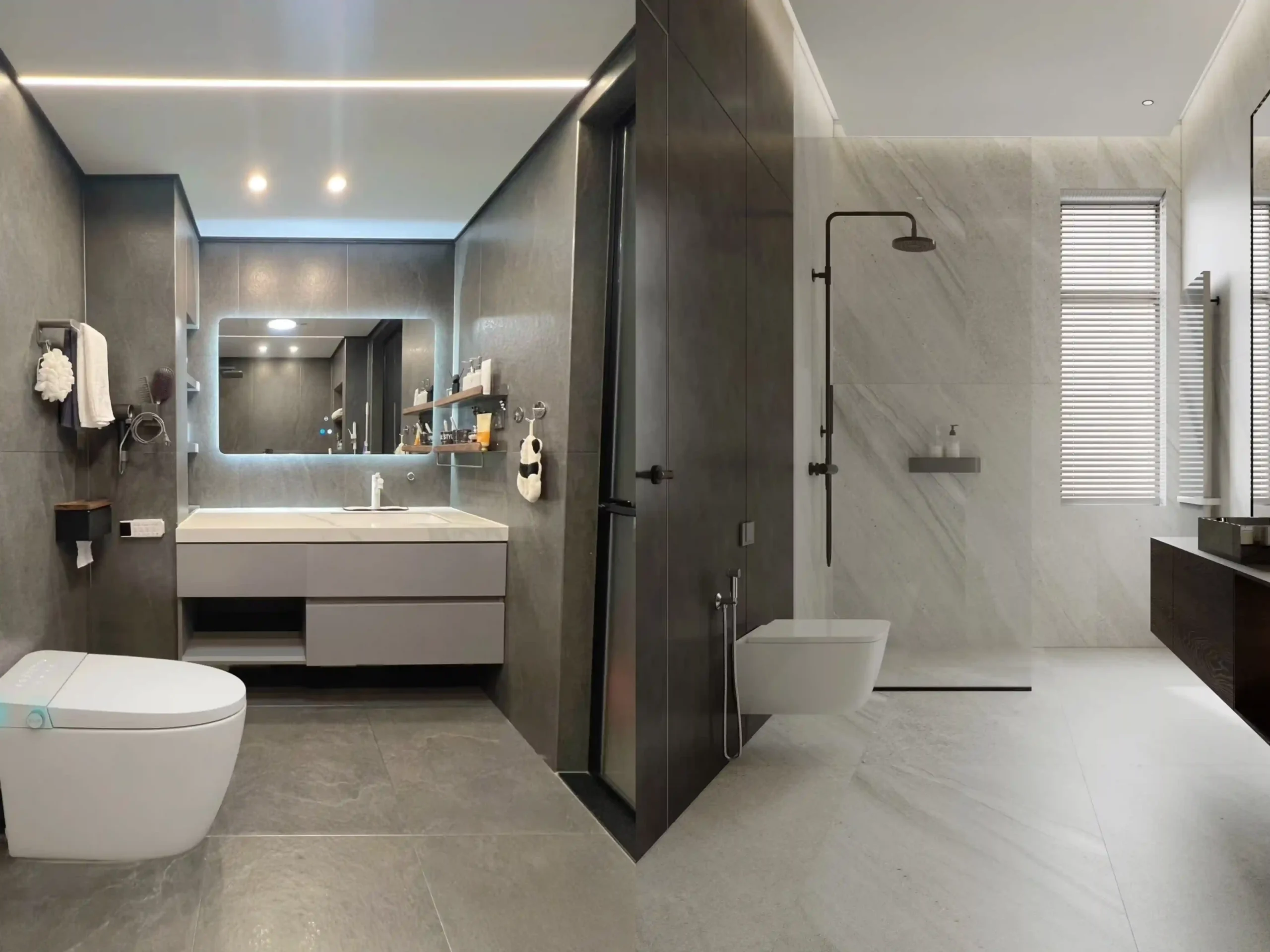
Yes—matte tiles are generally an excellent choice for bathrooms, especially for flooring. Bathrooms are wet, moisture-prone environments, and matte tiles provide a safer, slip-resistant surface underfoot. This makes matte floor tiles a preferred option for shower floors, walk-in showers, and bathroom flooring in homes, hotels, or gyms where safety is critical.
Beyond safety, matte tiles contribute to a spa-like aesthetic. They hide water droplets or soap residue better than glossy tiles, and matte porcelain is a popular modern choice for achieving a low-glare, tranquil look. A common approach is matte on floors (for grip) paired with glossy on walls (to reflect light and keep the room feeling airy). Even so, design with proper drainage and adequate lighting, since pooled water reduces friction on any surface.
Does matte tile get dirty easily?
One appeal of matte tiles is that they don’t show dirt and grime as readily as glossy tiles. The lack of glare doesn’t highlight every speck of dust or water spot, so matte floors often look cleaner for longer and are frequently described as “low-maintenance” in appearance for busy settings.
The trade-off: because matte finishes are slightly textured, dirt can cling more firmly. You might not see it immediately, but grime can settle into the micro-texture. As a result, routine cleaning is important; when cleaning is due, it can take a bit more effort than wiping a slick glossy surface.
How do I clean matte tiles?
Cleaning matte tiles is straightforward—the goal is to lift dirt and stains without leaving residue that dulls the finish:
- Remove loose dirt first. Sweep or vacuum (hard-floor setting) to pick up dust, sand, and debris so you don’t scrub grit into the surface.
- Mop with warm water + pH-neutral cleaner. Use a gentle, neutral tile cleaner in warm (not hot) water. Wring mops well and work the solution into the tile’s texture.
- Avoid harsh chemicals or waxy products. Skip abrasives, vinegar/acid, and bleach unless manufacturer-approved. Avoid waxes or oil-based soaps that leave films or unwanted sheen.
- Tackle stubborn stains gently. Spot-treat with a soft-bristle brush and a baking-soda-and-water paste; rinse thoroughly afterward.
- Rinse and dry. After cleaning, go over tiles with clean water and then dry. Don’t leave standing water—ensure good ventilation to prevent mildew or mineral deposits.
- Maintain a routine. Frequent light cleaning (regular sweeping; mopping weekly or bi-weekly—daily in commercial settings) prevents buildup and preserves the matte look.
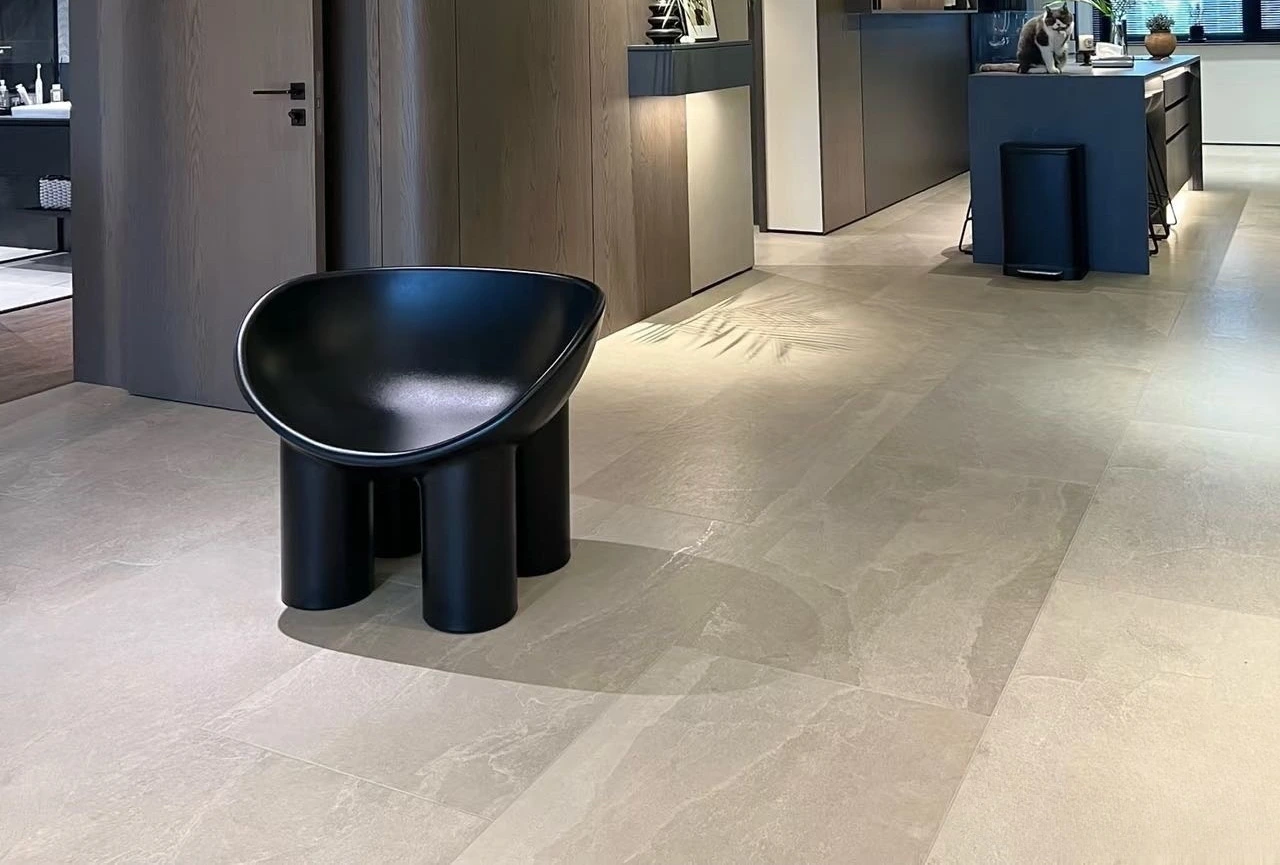
Does matt tile scratch easily?
In daily use, matte tile does not show scratches easily. The surface does not reflect light, so small marks are harder to notice. Even if light wear appears, it blends into the finish. This is a key reason why matte tile is popular for floors.
Glossy tiles have a shiny surface, so any scratch breaks the reflection. This makes scratches very visible under light. Matte tiles avoid this problem because there is no glare. The surface stays visually consistent over time.
The real risk is not scratching, but abrasive dirt. Sand and hard particles can damage any tile if not cleaned. With regular sweeping and proper maintenance, matte tiles perform very well, even in high-traffic areas.
For commercial projects and distributors, matte porcelain tile is a stable and safe choice. It hides wear better and keeps a clean look longer. This reduces complaints and lowers long-term maintenance concerns.
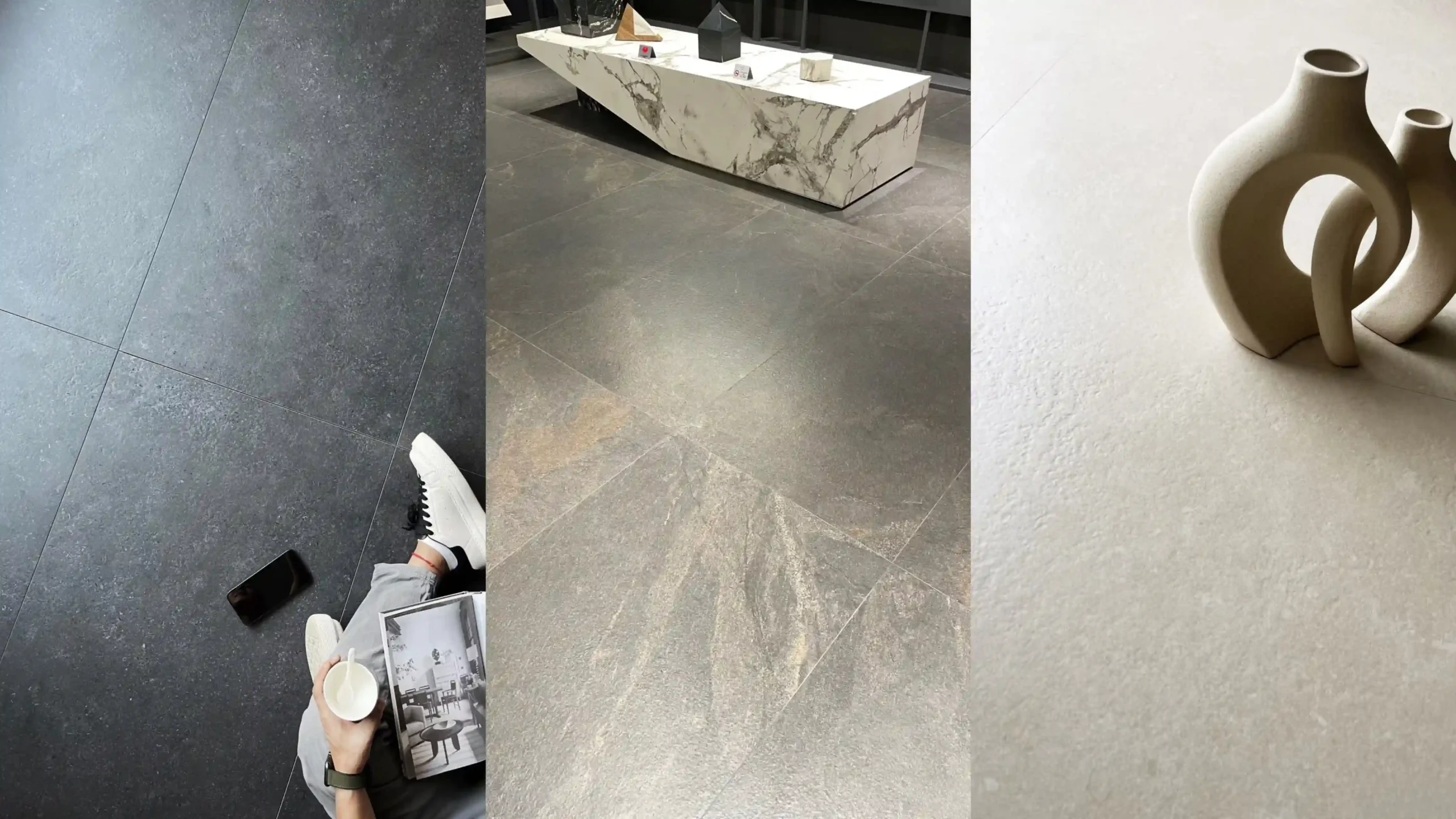
If you are sourcing matte tile3 for commercial or distribution projects, choosing the right supplier matters. Quality consistency, stable delivery, and clear communication are key for long-term business.
For inquiries about China matte porcelain tile, customized options, or bulk supply, feel free to contact Miller (Get Catalog & Quotation from Miller@kingsuntile.com)
-
Understand the significance of slip resistance in flooring, especially for high-traffic and wet areas. ↩
-
Explore how various tile finishes handle moisture and their implications for safety and maintenance. ↩
-
For detailed specifications, available sizes, surface options, and bulk supply details, you can view our full Matte Tile Collection on the Kingsun website. ↩