Polished porcelain tile is a popular high-end flooring and wall material known for its glossy, mirror-like finish and exceptional durability. It offers the luxurious look of polished natural stone (like marble) combined with the toughness and low porosity1 of porcelain. This makes it especially attractive to overseas wholesale tile buyers who demand quality, efficiency, and value. In China’s tile manufacturing hub of Foshan, for example, manufacturers like Kingsun produce polished porcelain tile in bulk with consistent quality and fast turnaround (often shipping orders in as little as 15 days).
Below, we explain what polished porcelain tiles are, their pros and cons, how they compare to unpolished tiles, and answer common questions about their performance and maintenance. The tone is straightforward and informative – perfect for busy B2B readers to skim and grasp key points quickly.
What’s polished porcelain tile
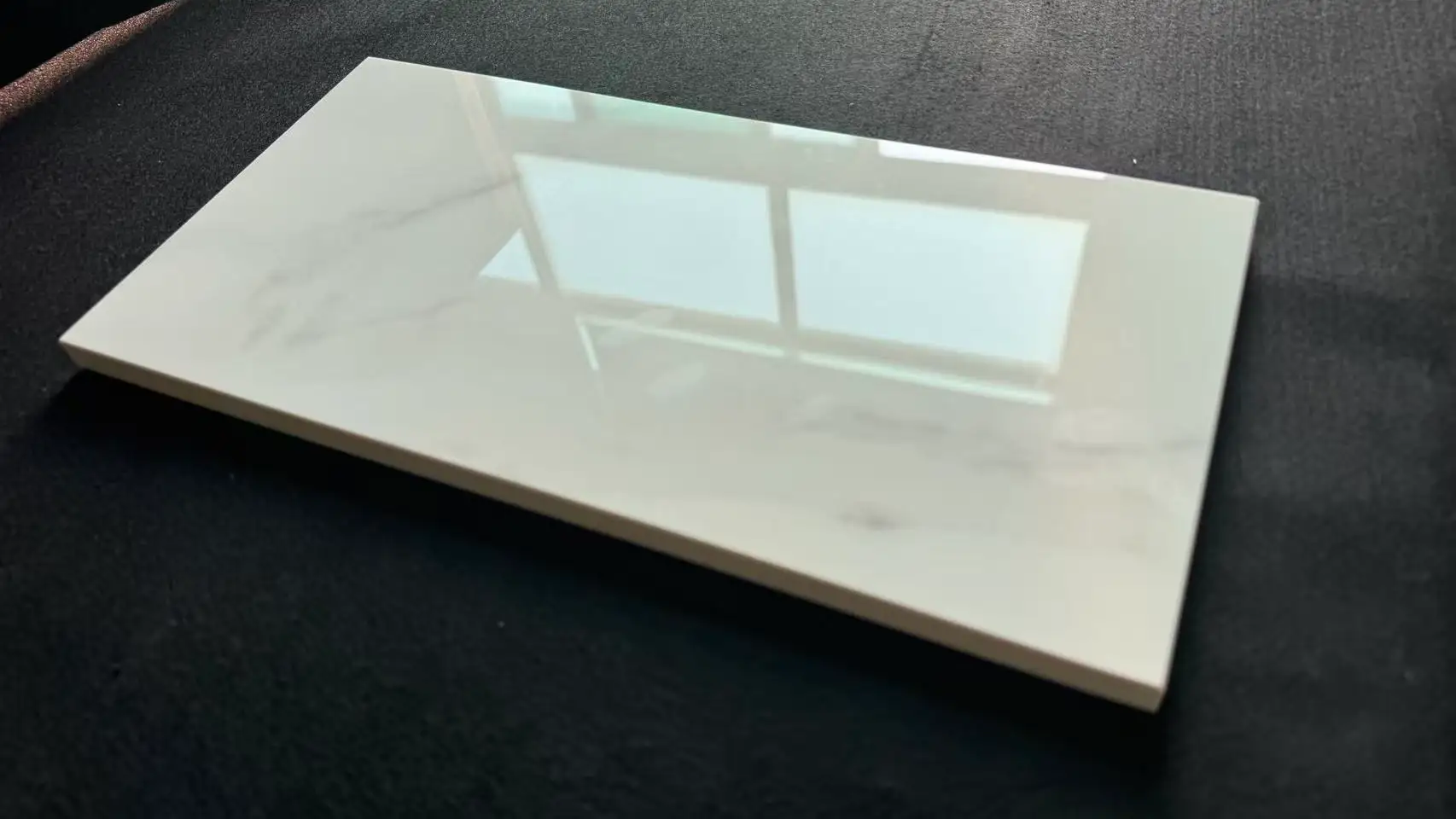
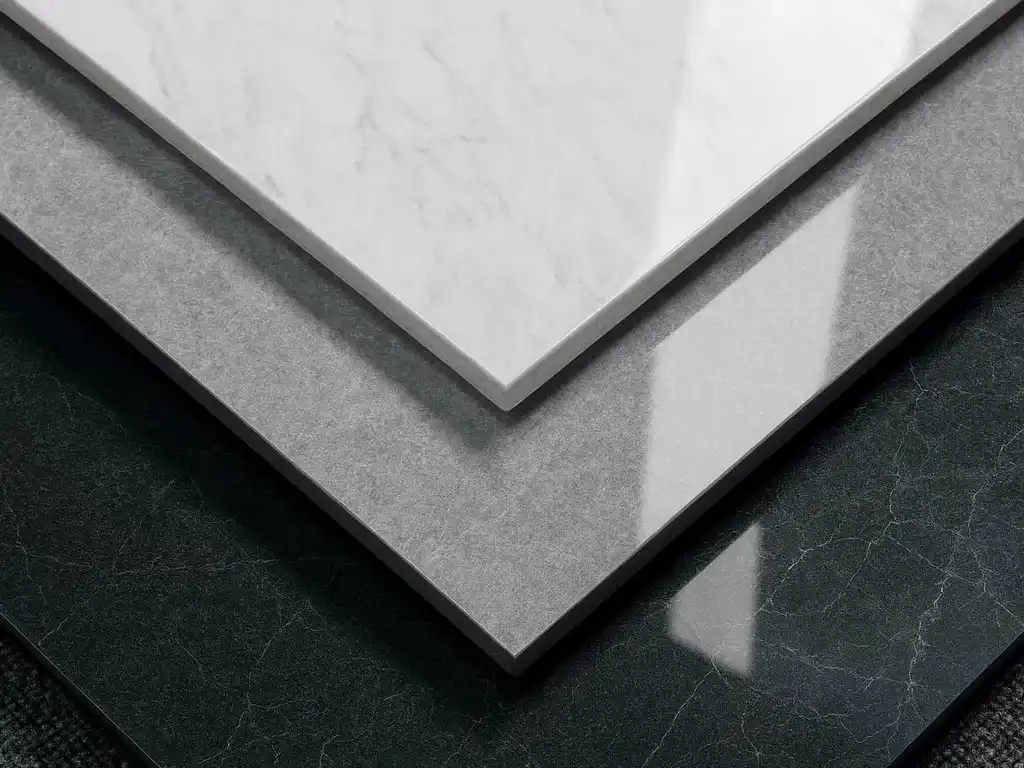
Polished porcelain tile is a type of porcelain ceramic tile that has been mechanically polished to create a high-gloss, reflective surface. Porcelain itself is made from very fine clay mixed with minerals (like quartz and feldspar) and fired at extremely high temperatures, producing an extremely hard, dense tile with minimal water absorption (≤0.5%). To achieve a polished finish, the fired porcelain tile’s surface is ground and buffed with fine abrasives (often diamond disks) until it becomes smooth and shiny. This polishing process reveals a glass-like surface that can mirror light and impart an elegant, upscale look.
During polishing, microscopic pores can open up on the tile surface (a normal byproduct of grinding). These tiny pores are usually not visible thanks to the glossy sheen, but they are an important consideration for maintenance (as we’ll discuss later). Polished porcelain tiles may be unglazed (polished straight into the porcelain body) or glazed (a layer of glaze is applied then polished). Unglazed polished porcelain tends to be extremely hard-wearing and is often used for floors, whereas glazed polished tiles show intricate printed designs but can be slightly less wear-resistant. In either case, the result is a porcelain tile with a brilliant shine and vibrant color depth.
From a sourcing perspective, polished porcelain tiles are widely available from manufacturers around the world, with China (especially Foshan) being a major production center. A China polished porcelain tile manufacturer like Kingsun (based in Foshan) leverages advanced equipment and large-scale production to offer high quality tiles that meet international standards (CE, ISO certification) along with customizable designs and fast delivery for global buyers. In summary, a polished porcelain tile is essentially a porcelain tile given a “mirror polish” finish – combining the material’s inherent strength and low water absorption with an attractive glossy appearance.
Pros & cons
Like any product, polished porcelain tiles come with advantages and a few trade-offs. Below are the key pros and cons to consider:
Pros
- Luxurious Appearance: Polished porcelain tiles have a high-gloss, mirror-like finish that reflects light and gives spaces a bright, upscale look. The shine can make a room feel more open and elegant, closely resembling polished marble or granite. They are available in many colors and patterns (including marble-looks and digital designs) to suit various design themes.
- High Durability: Porcelain is one of the hardest types of ceramic, and polished porcelain shares this durability. These tiles are incredibly strong and scratch-resistant, standing up well to foot traffic without easily scuffing or chipping. (In particular, full-body/un-glazed polished porcelain has color throughout, so if a rare scratch occurs, it’s less noticeable.) This robustness makes them suitable even for commercial applications.
- Low Porosity & Stain Resistance: Porcelain’s water absorption is below 0.5%, meaning it’s virtually impermeable to water. Polished porcelain tiles won’t absorb spills under normal use and are generally resistant to stains. The smooth, glassy surface makes it difficult for dirt or liquids to penetrate, so spills can be wiped up easily without leaving a trace. This also makes routine cleaning quick and easy.
- Moisture-Proof: Because of their low absorption and dense body, polished porcelain tiles are effectively waterproof. They perform well in wet areas like kitchens, bathrooms, even high-humidity climates, without warping or mildewing. Many builders use them confidently in bathrooms, knowing the tile itself won’t be damaged by water. (Do note: grout lines still need proper sealing2 to be waterproof.)
- Ease of Cleaning: The smooth finish means there are no surface pores or texture to trap dust and grime. Regular sweeping and mopping are usually all that’s needed to keep these tiles gleaming. They don’t require special cleaners – mild soap and water suffice – and they require little maintenance overall to keep looking good.
Cons
- Slippery When Wet: The glossy, polished surface provides less traction compared to matte or textured tiles. If water or liquids are on the floor, polished porcelain can become slippery, posing a safety risk. This is why designers typically avoid high-gloss tiles in shower floors, entryways exposed to rain, or pool surrounds. (Polished tiles are perfectly fine for dry areas like living rooms or hotel lobbies, but caution or rugs are recommended if used on bathroom floors.)
- Visible Smudges & Scratches: That mirror-like shine, while beautiful, also tends to highlight any imperfections. Footprints, water spots, soap residue, and even minor scratches or scuff marks can show up more on a polished tile than on a matte tile. Keeping that pristine look may require more frequent wiping or polishing of the surface. The tiles themselves are very scratch-resistant, but if they do get scratched, the marks will be more obvious on a reflective surface (similar to how a shiny black car shows dust or swirls).
In summary, polished porcelain tile offers a combination of aesthetic elegance and robust performance. The pros (luxury look, durability, low maintenance) often outweigh the cons for installations where slip-risk is managed. By sourcing from a reputable supplier (for instance, a Foshan polished porcelain tile producer known for quality control), buyers can ensure the tiles come pre-treated and with the needed specifications to mitigate these drawbacks.
What are the key differences between polished vs unpolished porcelain tiles?

Both polished and unpolished (matte) porcelain tiles are made from the same porcelain material, but they undergo different finishing processes. This results in distinct appearances and performance characteristics. Here are the key differences between polished and unpolished porcelain tiles:
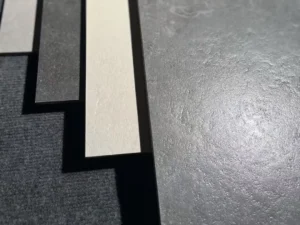
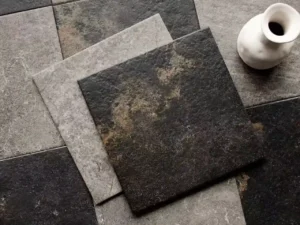
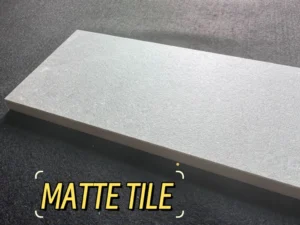
- Surface Finish & Look: Polished porcelain has a smooth, high-gloss finish that is very reflective, giving a space a bright, elegant appearance. In contrast, unpolished porcelain (also called matte or honed finish) has little to no shine – it offers a more natural, understated look with a subtle texture. Polished tiles mimic the look of glossy stone, while matte tiles resemble natural stone or concrete with a soft sheen at best.
- Slip Resistance: Polished tiles tend to be more slippery, especially when wet, due to their glassy smooth surface. They’re generally not recommended for floors in wet or high-traffic barefoot areas (like shower floors or pool decks) where slip safety is critical. Unpolished tiles, with their matte or textured surface, provide much better grip underfoot. Matte porcelain is often chosen for bathrooms, kitchens, outdoor patios, and commercial floors specifically for its superior slip resistance.
- Scratch & Stain Visibility: In terms of hardness, both polished and matte porcelain are very durable and scratch-resistant (it’s the same dense material beneath the finish). However, any scratches or dirt that do occur will be more visible on a polished surface because of the light reflection. Matte tiles, especially those with texture or pattern, tend to hide minor scuffs, dust, or water spots much better. Additionally, polished unglazed tiles have micro-pores from the polishing process and often need sealing to prevent stains, whereas unpolished tiles are usually fine without a sealer (their slightly rough surface is more forgiving with stains and easier to clean aggressively).
- Maintenance: Polished porcelain tiles are easy to clean on a day-to-day basis (no surface texture to trap grime), but they may require more frequent wiping/polishing to keep fingerprints or smudges at bay. They also benefit from occasional re-sealing to maintain their resistance to stains over time. Unpolished tiles are extremely low-maintenance and hardy – they rarely need sealing, and their finish can handle heavy scrubbing or stronger cleaners without risk of dulling (since there’s no gloss to lose). Matte floors can go longer between cleanings before looking dirty, as they camouflage dust and footprints better.
- Cost & Use Cases: Generally, polished porcelain costs a bit more than matte because of the extra processing. Polished tiles are often used to create a sense of luxury in living rooms, hotel lobbies, upscale retail, or anywhere a dramatic shine is desired. Unpolished porcelain is favored for practical areas: kitchens, bathrooms, outdoor terraces, or large commercial floors, where safety and ease of upkeep matter more than a glossy look. Many projects actually combine both types – for example, matte tiles on the floor (for grip) and matching polished tiles on walls or lobby floors in feature areas.
In summary, the choice between polished vs. unpolished porcelain comes down to the aesthetic effect versus functional needs. Polished porcelain offers a glamorously smooth shine, whereas unpolished porcelain provides a slip-resistant, natural look. A knowledgeable supplier can even provide both finishes in the same color series, allowing you to use polished tiles where you want a pop of shine and matte tiles where you need performance. Kingsun and other top manufacturers in Foshan produce porcelain tiles in both polished and matte finishes, giving buyers the flexibility to choose the right tile for each application.
Is polished porcelain scratch resistant?
Yes – polished porcelain tile is highly scratch-resistant under normal use. Porcelain ranks very high on hardness scales; it’s fired at extreme temperatures, creating a vitrified tile that can resist scratching from everyday abrasives like dirt, shoes, or furniture legs. In fact, polished porcelain (especially the unglazed “full-body” type) doesn’t scratch easily at all. This makes it suitable even for high-traffic commercial floors – the tiles will maintain their glossy look for years without developing wear patterns.
It’s important to note that scratch-resistant is not the same as scratch-proof. While regular foot traffic or routine cleaning will not scratch a quality porcelain tile, if a very sharp or hard object is dragged across the floor (for example, moving heavy metal furniture without pads, or grit like sand being ground underfoot), there is a potential to leave light scratches. The good news is that any minor scratches on unglazed polished porcelain are usually hard to see, because the tile’s color and pattern go all the way through the material (there’s no surface glaze to rub off). Moreover, the inherent gloss can often be restored by polishing if needed. Glazed polished tiles (which have a glass-like layer on top) are also quite hard, but if their glaze is ever scratched, it might be slightly more visible since the scratch could contrast with the printed design.
In practice, polished porcelain floors hold up extremely well against scratches. They are rated for heavy use in homes and businesses and are much more scratch-resistant than softer flooring materials (like wood, vinyl, or even some natural stones). To be safe, it’s wise to use felt pads under furniture and keep abrasive dirt off the floor by using mats – standard precautions for any flooring. But overall, buyers can be confident that polished porcelain tile will maintain a smooth, scratch-free appearance through years of use.
Is polished porcelain tile slippery?
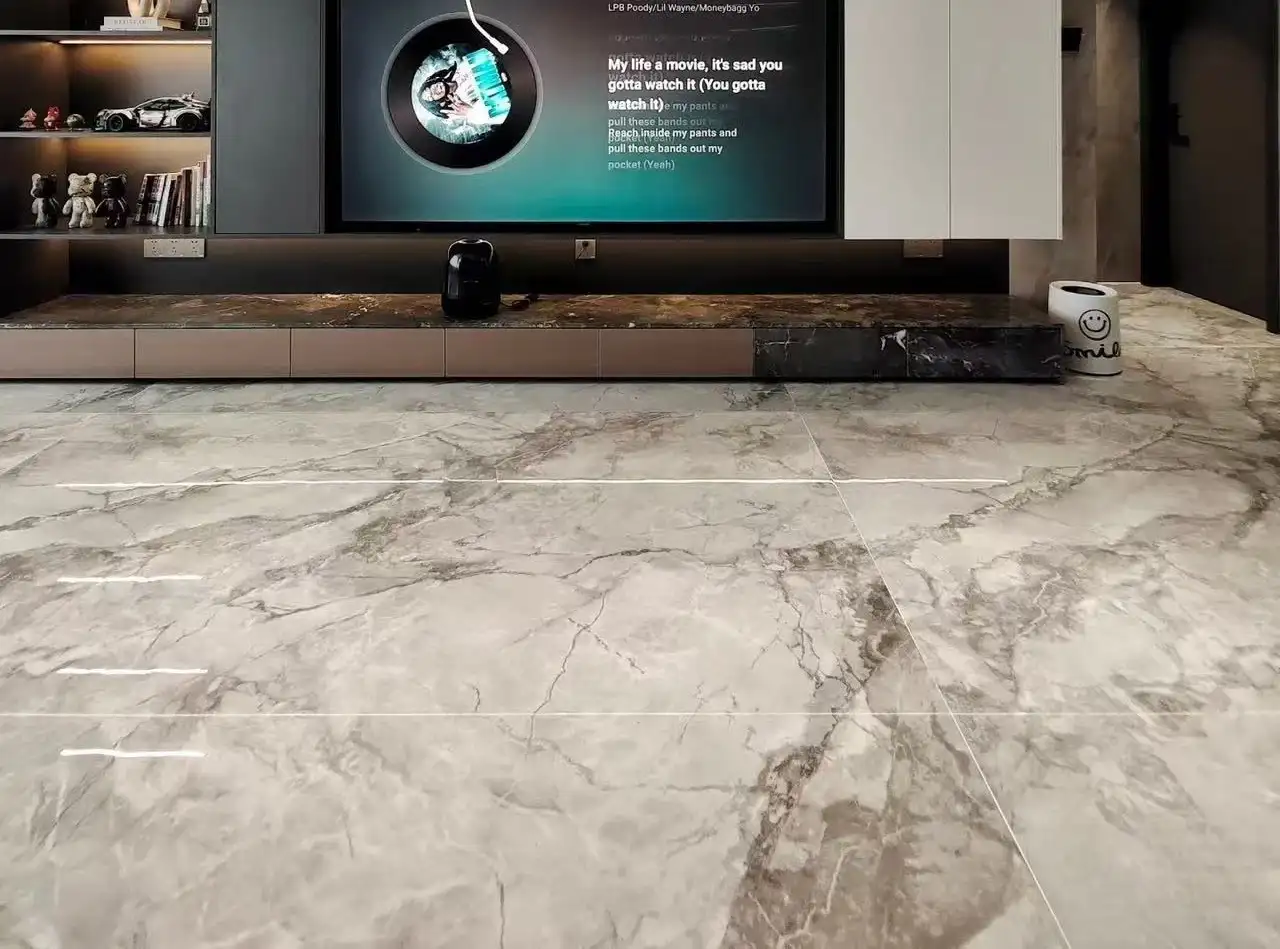
Polished porcelain tiles can be slippery, particularly when wet. This is a common concern with any highly polished surface (be it polished tile, marble, or even polished concrete). The glossy finish has very low surface roughness, meaning there’s less friction under foot. If water, oil, or other liquids are on the tile, the risk of slipping increases significantly.
For this reason, polished porcelain is not recommended in areas prone to water on the floor. For example, most experts advise against using full-polished tiles for shower floors, pool surrounds, or outdoor walkways exposed to rain. In those settings, a matte or textured tile (with a higher slip resistance rating) is safer. Some polished tiles are tested and get a slip-resistance rating3 (often expressed as an R-value or DCOF); generally their ratings will be lower than matte tiles. A typical polished tile might be R9 (suitable for dry residential areas), whereas a textured tile might be R11 or R12 (safe for wet areas).
That said, polished porcelain can still be used on floors in many scenarios. They are very popular for living rooms, dining areas, hotel lobbies, retail showrooms, etc., where the aesthetic payoff is high and spills are infrequent. In entries or bathrooms, some designers use polished tiles for a luxurious look but plan rugs or mats in strategic places to mitigate slipperiness. Another approach is to use polished tiles on the walls and matte finish on the floor for coordination.
Manufacturers are aware of the slip issue and sometimes produce “nano-sealed” polished tiles with a microscopic texture or apply an anti-slip treatment that isn’t visible but slightly improves foot traction. For example, some Foshan polished porcelain tile suppliers offer polished tiles with an anti-slip nano coating (though they are still not as grippy as matte tiles). If slip safety is a priority, it’s best to stick with unpolished or specifically rated anti-slip tile for floor areas that will get wet. Always consider the intended area: polished porcelain is beautiful and safe for dry, formal spaces, but use caution if choosing it for floors in wet or high-traffic conditions.
Is polished porcelain tile hard to maintain?
No, polished porcelain tile is not hard to maintain – in fact, it’s known for being relatively easy to care for in the long term. Porcelain tiles (polished or not) are highly durable and require little maintenance compared to many other flooring materials. They don’t need special treatments or frequent upkeep. Here are a few points on maintenance:
- Routine Cleaning: Day-to-day cleaning is simple. Dust and grit can be swept or vacuumed up (using a soft brush attachment to avoid any chance of scratching). Then just mop with warm water and a mild detergent or a pH-neutral tile cleaner. Because the surface is so smooth, dirt and spills lift off easily without scrubbing. Regular mopping will keep the tiles glossy. There’s no need for waxing or polishing like you would with natural stone – polished porcelain keeps its shine with basic cleaning.
- Stain Resistance: Polished porcelain resists most stains. Juice, coffee, ink, etc., generally can’t penetrate the tile’s surface (especially if it’s been sealed). Just wipe up spills in a reasonable time. Even without sealing, the low porosity of porcelain means staining is minimal. If a spill does leave a slight mark, a gentle cleanser usually takes it off. The main thing is to avoid harsh chemicals or acids that could etch the shine – stick to gentle cleaners to be safe.
- Sealant (Optional): As noted earlier, some polished tiles are factory-sealed or do fine without sealing. Others might need a penetrating sealer applied after installation to fill microscopic pores. This sealer isn’t a surface coating; it soaks in and doesn’t change the look. It simply makes the tile even more resistant to any potential stains. The good news: sealing polished porcelain is not an often-repeated chore – typically it’s done once after installation, and maybe rechecked years later. A quick way to test is to sprinkle water – if it still beads up on the tile surface, the sealer is doing its job. Resealing might only be needed every few years, or not at all in low-traffic areas.
- Avoiding Damage: There’s not much that harms porcelain tile. It’s fireproof, doesn’t scratch easily, and won’t warp or swell. Maintenance mostly means preserving the shine. So, avoid abrasive scrub pads or steel wool which could put fine scratches in the glossy finish. Also avoid extremely strong alkaline or acidic cleaners (for example, no undiluted bleach or ammonia) because they could dull the polish over time. Using the right cleaning tools – soft microfiber mops, non-abrasive sponges – will keep the surface flawless. Fortunately, polished porcelain doesn’t demand any specialized products; gentle cleaning is both the safest and most effective approach.
In summary, keeping polished porcelain tile in top shape is straightforward. Regular sweeping and mopping with gentle cleaners is usually all that’s required to maintain its sparkle. Unlike natural stone, it never needs re-polishing or extensive maintenance. Its dense, inert surface doesn’t harbor bacteria or mold, making it hygienic as well. For busy commercial spaces or large areas, this low maintenance is a major advantage – it translates to lower cleaning costs and effort over time. Many wholesale buyers choose polished porcelain for precisely this reason: it delivers long-lasting beauty without a lot of upkeep.
How to keep polished porcelain tiles shiny?
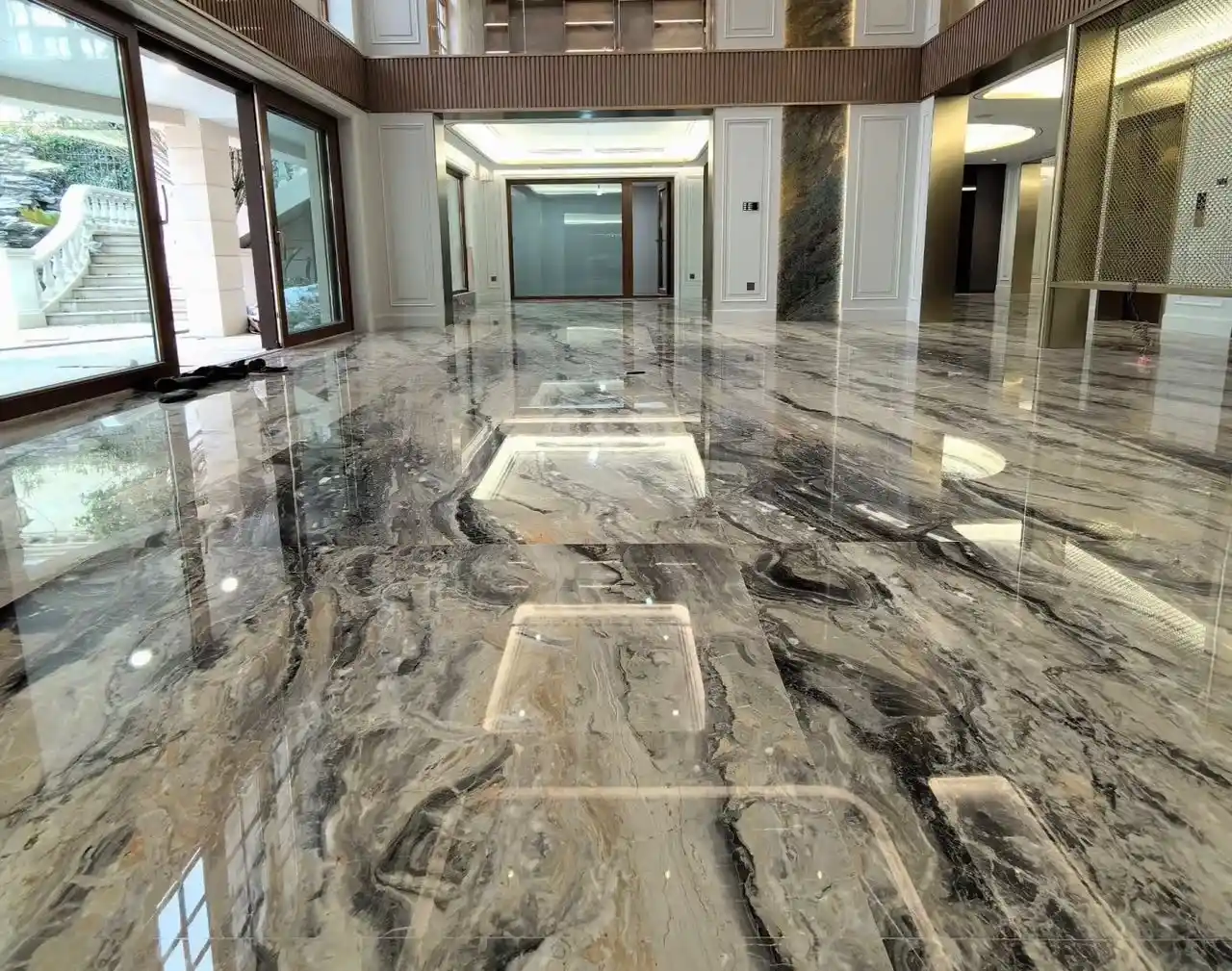
Even though polished porcelain tiles start out with a brilliant shine, it’s helpful to follow a few best practices to keep them looking glossy over years of use. Here are some simple tips to maintain that factory-fresh sparkle:
- Clean Frequently (Light but Often): Regular light cleaning prevents dull buildup. Dust or grit can act like fine sandpaper on a glossy floor, so use a soft broom or a microfiber dust mop to remove debris often. This quick step keeps the surface free of anything that could scratch or dull the finish over time.
- Use Mild Cleaners: When mopping, stick to pH-neutral or mild detergents formulated for tiles. Harsh chemicals, acidic cleaners (like vinegar), or abrasive powdered cleansers are unnecessary and can leave a film or etch the shine. A few drops of mild dish soap in warm water works great. Avoid waxy or oil-based cleaners too, as they can leave residues that dull the gloss.
- Soft Tools Only: Clean with a soft microfiber mop, sponge, or cloth. Do not use abrasive scrub pads, steel wool, or stiff-bristle brushes on the polished surface. Also avoid “magic erasers” or any melamine sponges on large shiny areas, as they are mildly abrasive. Using gentle tools ensures you don’t put micro-scratches in the tile. For stuck dirt, let the cleaning solution dwell for a minute to soften grime, then wipe – don’t try to aggressively scour the tile.
- Rinse and Dry: After mopping with a cleaning solution, go over the tiles with clean water to rinse away any soap film. Then dry the floor with a soft towel or microfiber mop. Drying is key to preventing water spots or streaks on that mirror finish. It might sound tedious, but it’s quick to do and leaves the floor sparkling with no cloudy residue. Many professional cleaners emphasize drying as the secret to truly glossy tile floors.
- Periodic Sealing/Polish Touch-Up: If your polished porcelain is unglazed and was sealed, monitor the sealer’s effectiveness. When you notice that water no longer beads on the surface or the shine looks slightly dull even after cleaning, it might be time to reapply a quality penetrating sealer (this could be every 1-3 years depending on traffic). The sealer will restore the tile’s resistance to stains and can also rejuvenate the luster by filling any micro-pores. Additionally, for high-traffic commercial floors, some owners use a high-speed buffer annually to lightly polish the tiles and refresh the sheen – though in most cases, this isn’t necessary for porcelain. Never apply wax – porcelain doesn’t need waxing and it could cause slipperiness; maintaining the factory polish through cleaning is sufficient.
By following these practices, your polished porcelain tiles will stay shiny and eye-catching for a long time. Essentially, it comes down to gentle regular cleaning and protecting the surface from abrasive dirt. The payoff is a floor that continues to impress clients or guests with its like-new gleam. From the perspective of a supplier like Kingsun, we advise our clients that a well-maintained polished porcelain floor can look as pristine in year five as it did on day one – it just takes a bit of consistent care.
Is polished porcelain tile waterproof?
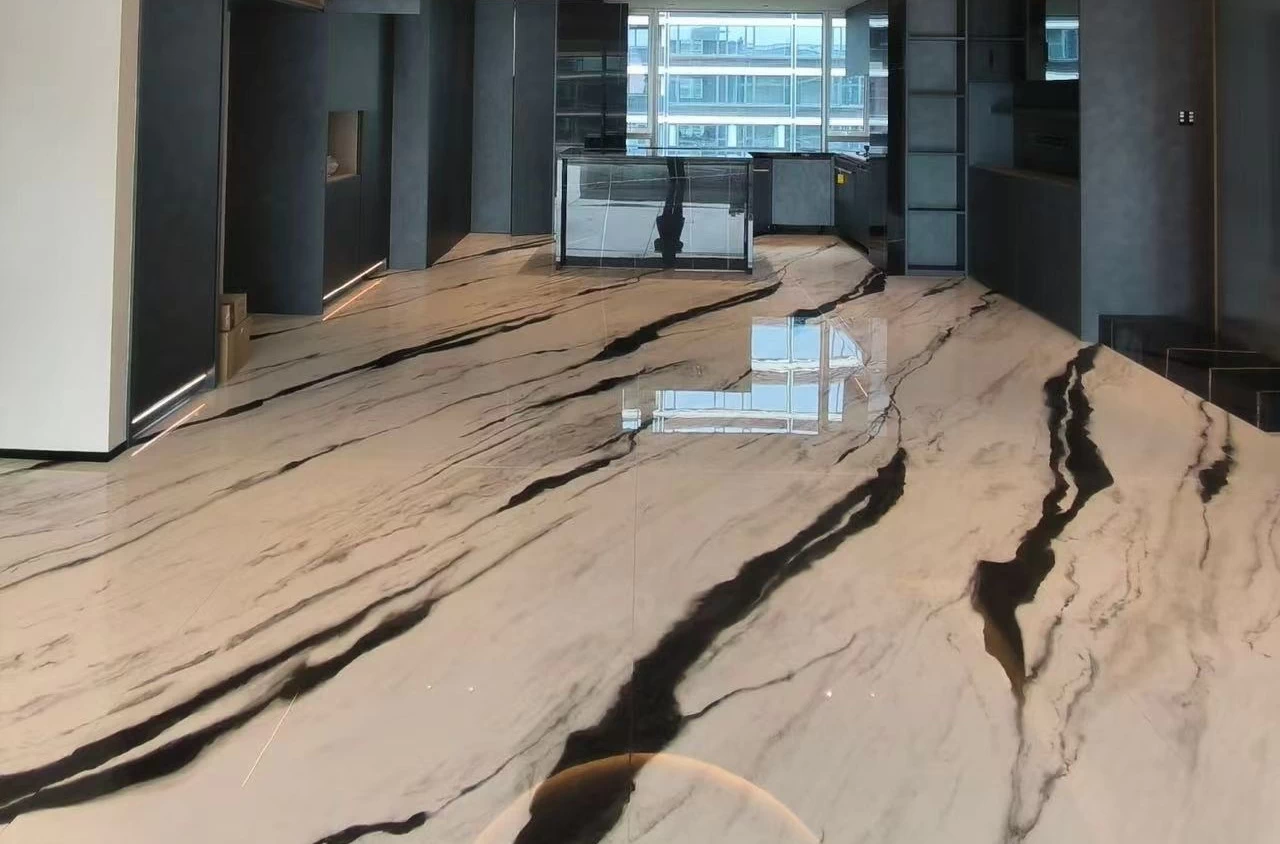
Porcelain tiles – polished or not – are virtually waterproof. This is one of their big advantages for flooring and wall use. Technically, porcelain is classified as an impervious material, with a water absorption rate4 of 0.5% or less. In practical terms, that means water does not penetrate the tile body. You can soak a porcelain tile and it won’t absorb moisture the way, say, natural stone or standard ceramic might.
Therefore, a polished porcelain tile will not be damaged by water. You can use it in bathrooms, kitchens, backsplashes, showers, and other wet zones confidently. The porcelain body doesn’t swell, discolor, or deteriorate when exposed to water. In fact, polished porcelain is often used on bathroom walls and bathroom floors (outside the shower pan) specifically because it handles water exposure so well. Builders also like it for outdoor applications in climates with rain or even freeze-thaw conditions, since the low absorption means it’s frost-proof as well (water can’t seep in and crack it upon freezing).
The only nuance is related to staining rather than structural water damage. As discussed, the act of polishing can open tiny pores on unglazed porcelain surfaces. These micro-pores could allow very small amounts of colored liquids to sit in them, which is why sealing is recommended – but this is about preventing stains from things like wine or oil. It doesn’t mean the tile is absorbing significant water. Even unsealed, a polished porcelain tile won’t “leak” water through or weaken from water exposure. The tile itself is still glazed or vitrified porcelain, so water basically bounces off it.
In summary, polished porcelain tiles are as water-resistant as any tile can get. They are commonly rated for use in wet areas and even submerged applications. For instance, you might find polished porcelain mosaics used in swimming pools or fountains, and they hold up excellently. The grout between tiles does need to be properly sealed to avoid water seeping through grout lines, but that’s a standard tile installation practice. As long as your installation is done correctly, a polished porcelain tiled surface will be essentially waterproof and will not be affected by moisture or humidity. This makes it a reliable choice for both indoor and outdoor projects where water exposure is expected.
Ready to source top-quality polished porcelain tiles with fast delivery and custom options? Kingsun can help. We’re a China polished porcelain tile manufacturer based in Foshan offering high-quality, certified tiles and quick turnaround for global buyers. Feel free to visit our Glazed Polished Tile Collection to explore products or contact us for a quote (Get Catalog & Quotation from Miller@kingsuntile.com). Let’s help you get the best tiles for your business, swiftly and reliably!
-
Understand the significance of low porosity in tiles for moisture resistance and maintenance ease. ↩
-
Learn about the sealing process for polished porcelain tiles and its role in stain protection. ↩
-
Learn about slip-resistance ratings to ensure safety in wet areas when choosing tiles. ↩
-
Explore the significance of water absorption rates in choosing durable tiles for wet areas. ↩